
A well-known name or a dramatic silhouette can attract attention, but neither tells you whether a piece will work in your home. The better question is how thoughtfully the object resolves proportion, comfort, material, function and the character of the room around it.
That is the value of designer furniture when it is well resolved. It is created with a clear point of view, developed as a complete object and offered with enough choice to suit a particular setting. For a buyer, this means looking beyond appearance and judging how the piece will be used, specified and lived with.
What is designer furniture?
The term describes furniture shaped by an identifiable design idea and developed through considered choices about form, construction, ergonomics and finish. Authorship can be part of that story, but a designer name alone is not a measure of suitability or quality.
The distinction becomes clearer when a collection offers meaningful options. A modular sofa may allow a linear, corner or island composition. A dining table may pair one base with several top shapes and finishes. A bed may offer different upholstery, headboard or storage configurations. These choices are not decorative extras. They allow one design to respond to different rooms and routines.
This is also why authentic products should be evaluated through the brand’s current specifications rather than assumptions about a country of origin, material or price point.
Begin with the room, not the object
Before comparing collections, make a simple plan of the room. Mark doors, windows, circulation routes, fixed joinery and the positions from which people will sit, dine, read or watch a screen. Then place the furniture at its actual dimensions.
Scale is more than whether an item fits between two walls. A deep sofa changes the distance to a coffee table. A dining chair needs space to be drawn back. A bed with a generous headboard may alter bedside clearances. A sculptural table base can affect legroom even when the top is the right size.
For designer home furniture, the useful test is whether the composition still feels calm when every item is in use. Open the cabinet doors, extend the dining chairs and map the busiest walking route. The plan should work in motion, not only as a static layout.
Evaluate comfort through real use
Comfort is personal, so specifications are only a starting point. Seat depth, back angle, cushion response and arm height can feel very different to people of different heights and habits. A sofa intended for conversation may need a more upright posture than one chosen for relaxed evenings.
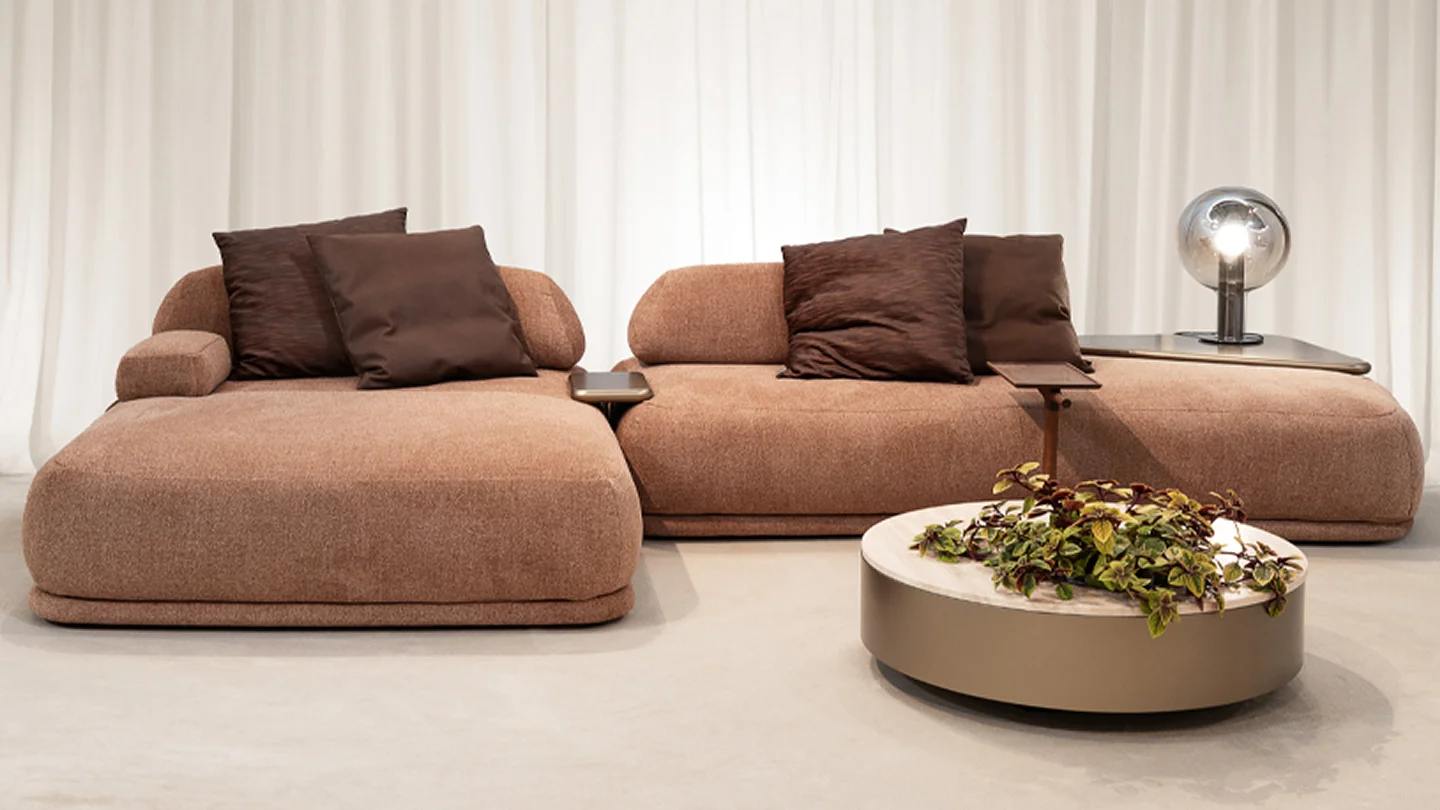
Modularity can help when the room or household has several needs. The Poliform Joan sofa, for example, is offered through curved and linear modules that can be configured for the setting. The design decision is not simply which module looks appealing. It is whether the final arrangement supports the way people gather.
Test dining and lounge seating for long enough to notice support, not merely the first soft impression. If several family members will use the piece, each should try it before the specification is finalised.
Read materials as part of the design
Material selection changes how furniture looks, ages and asks to be maintained. Natural stone brings variation and visual weight. Glass can preserve sightlines but may show handling. Wood introduces warmth and grain, while leather and fabric create very different tactile and care requirements.
The right choice depends on placement and use. Ask whether the surface will receive direct sunlight, frequent spills, bags, keys or hot serving dishes. Request the care guidance for the exact finish, because a broad label such as marble, timber or leather does not describe every treatment.
A good example of material choice shaping furniture design is the Cattelan Italia Dragon family, where top options change the expression of the same sculptural base. Compare finish samples in the room’s likely lighting, then view them beside flooring, wall colour and adjacent upholstery.
Look for coherence, not a matching set
Luxury furniture feels coherent when pieces relate without appearing mechanically coordinated. Repetition can come through line, proportion, tone or material rather than identical finishes. A curved sofa might be balanced by a quieter table. A strong veined top may need surrounding pieces with less visual movement.
Start with the largest or most spatially influential element, then build supporting relationships around it. In a living room, that is often the sofa. In a dining room, it may be the table or pendant. In a bedroom, the headboard usually establishes the scale and rhythm. Ventura’s curated beds collection shows how upholstery, headboard form and proportion can each establish a different direction.
The Ventura furniture collection includes seating, tables, storage, beds and accessories from multiple European brands. That range makes it possible to compose across collections instead of forcing one visual language into every room.
Verify authenticity and after-sales details
When buying luxury designer furniture, ask for the full product name, brand, dimensions, finish codes, configuration and current warranty terms in writing. If the piece is made to order, confirm which parts of the specification can no longer be changed after approval.
Italian designer furniture is often available in numerous material and size combinations, so a showroom sample may not be identical to the ordered version. Keep a signed specification that records each selected option. For a broader view of the category, Ventura’s guide to the benefits of Italian furniture explains how design culture, material development and manufacturing knowledge come together.
Also clarify delivery access, assembly, installation, warranty coverage and care support. These practical details are part of the purchase, especially for large modular pieces or homes with restricted lifts, corridors or staircases.
Make the showroom visit productive
Photography can communicate form, but it cannot fully convey scale, comfort, surface texture or the movement of a mechanism. Visit with a floor plan, key dimensions and photographs of the room in daylight and evening light.
Use the appointment to:
- Sit, recline and rise from every shortlisted seat.
- Check the piece from the angles visible in your room.
- Compare physical samples of the exact proposed finishes.
- Review dimensions and circulation on the floor plan.
- Confirm configuration, lead time, delivery and care requirements.
- Record the final product and finish codes before approval.
Clients seeking designer furniture in Bangalore can visit Ventura’s Bengaluru showroom, while those considering designer furniture in Hyderabad can explore the Hyderabad showroom. Both locations support product enquiries and design consultations, and Ventura serves clients across India.
Decide where to invest
Not every item needs to be a statement. Prioritise pieces that carry daily use, determine the room’s layout or are difficult to replace after other decisions are made. A sofa, dining table, bed or major storage element often deserves more attention than a small occasional accessory.
Within a collection, invest first in the right scale and configuration. An elaborate finish cannot rescue an uncomfortable chair or an oversized sofa. Conversely, a restrained piece with the right proportions can give the room lasting clarity.
If you are comparing luxury furniture across brands, use one decision sheet for every option: dimensions, configuration, comfort, finish, maintenance, delivery and warranty. This keeps the choice grounded in the home rather than in the showroom display.
A considered purchase begins with a considered brief
A considered buying process connects the object to the room before an order is placed. Measure accurately, define how the space must work, test comfort, compare finishes in context and document the selected specification. These steps make designer furniture easier to judge on substance as well as style.
Bring your floor plan, room photographs and shortlisted requirements to a Ventura showroom consultation. The team can help compare collections, refine configurations and assess how each piece will sit within the wider interior.
0 Comments