
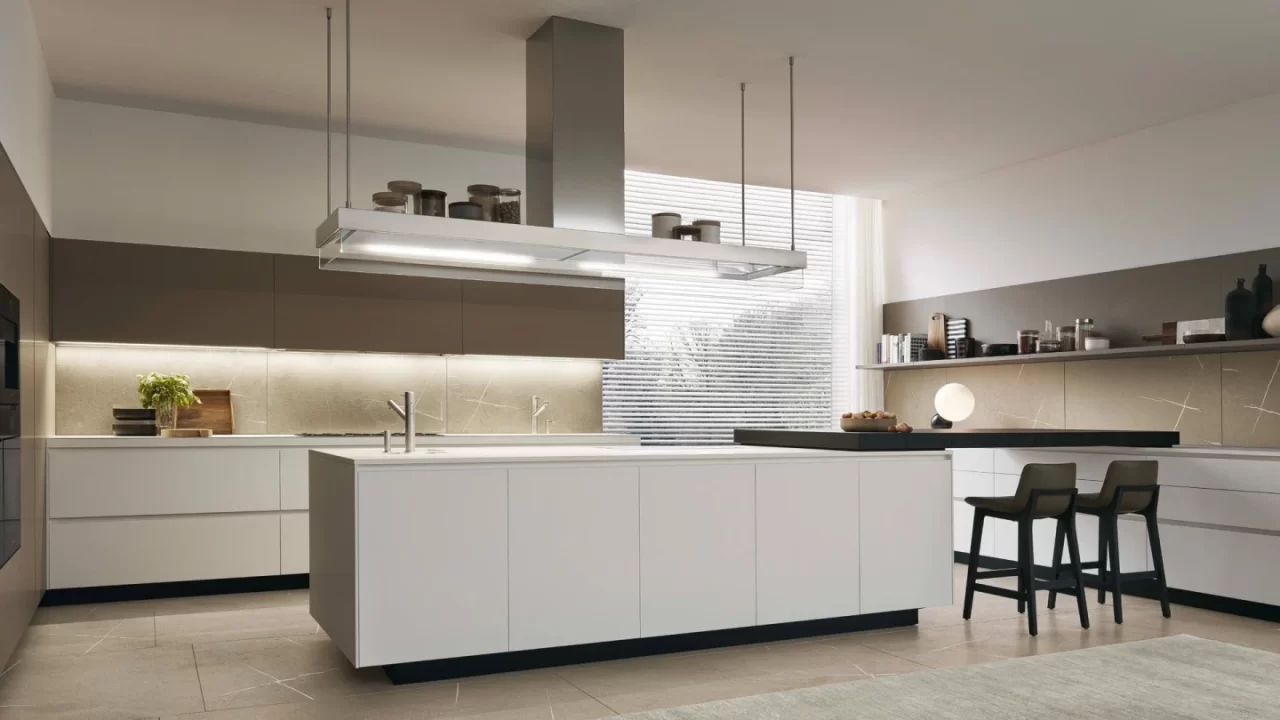
Designing a kitchen is exciting, but it can also be incredibly daunting. You might have picked out the perfect quartz countertop and the sleekest handle-less cabinets, but if the layout is wrong, the kitchen will never feel right. The layout is the skeleton of the room. It dictates how you move, how you cook, and how you interact with your family while chopping vegetables.
A poor layout results in traffic jams when someone opens the fridge. It leads to endless walking back and forth just to make a cup of tea. A great layout, however, feels intuitive. It anticipates your next move. Whether you are remodeling a compact apartment in Mumbai or building a sprawling villa in Bangalore, understanding the different kitchen layout types is the first step to culinary happiness. Let’s explore the most popular configurations to help you decide which one fits your lifestyle best.
Understanding the “Work Triangle”
Before we dive into the specific shapes, we need to talk about the “Golden Triangle.” This is the invisible line connecting your three main work areas: the stove, the sink, and the refrigerator. In an ideal kitchen layout, the distance between these three points should be comfortable—not too cramped, but not so far that you are exhausted after cooking a meal.
While modern kitchens have evolved with more appliances (microwaves, dishwashers), the triangle remains a solid foundation. As you read through these kitchen layout designs, visualize yourself moving between these three points. If the path is blocked by an island or a dining table, the layout needs rethinking.
The One-Wall Kitchen: The Space Saver
Also known as the “straight kitchen,” this layout places all cabinets and appliances against a single wall. It is the ultimate solution for studio apartments, lofts, or narrow homes where space is at a premium. It keeps the footprint minimal, leaving the rest of the room open for living or dining.
In a one-wall setup, vertical space is your best friend. You need to take your cabinets all the way to the ceiling to maximize storage. While it is efficient, the work triangle here is actually a straight line. This means you move side-to-side.
Aesthetic Impact
Because the entire kitchen is visible at once, it needs to look polished. You can hide appliances behind integrated panels to make the kitchen look like a piece of furniture. This is a popular modern kitchen layout for open-plan bachelor pads.
Adding an Island
If space permits, adding a mobile island or a narrow table parallel to the wall can transform a one-wall kitchen into a galley style, giving you much-needed prep space. For more on maximizing tight areas, read our guide on Smart Space-Saving Furniture for Small Apartments.
The Galley Kitchen: The Chef’s Choice
Named after the compact kitchens on ships, the galley (or parallel) kitchen features two rows of cabinets facing each other. It creates a central walkway. Interestingly, this is often the preferred layout for professional chefs. Why? Because it is incredibly efficient. You can simply turn around to reach the sink behind you while standing at the stove.
This layout eliminates dead corners. Every inch of cabinetry is accessible. It works beautifully for rectangular rooms often found in older Indian apartments.
Lighting is Key
Galley kitchens can feel a bit like a tunnel if not lit properly. Ensure you have strong under-cabinet lighting and good overhead fixtures to keep the space feeling open.
Traffic Control
The downside is traffic. If the kitchen is a thoroughfare to the utility area or balcony, people walking through can disrupt the cook. It is best for a dedicated cook who likes to work alone.
The L-Shaped Kitchen: The Flexible Classic
The L-shaped kitchen is formed by two adjacent walls meeting at a right angle. It is one of the most popular different types of kitchen layouts because it is so adaptable. It naturally opens up to the next room, making it perfect for open-concept living.
This shape creates an efficient work triangle while keeping the center of the room open. This open space allows you to add a dining table directly in the kitchen, creating an “eat-in” vibe that is very cozy for families.
Corner Solutions
The challenge here is the corner cabinet. It can become a dark hole where tupperware goes to die. using a “Magic Corner” pull-out unit or a Lazy Susan is essential to make this space usable.
Social Connection
Because the L-shape is open, the cook isn’t isolated. You can chat with guests in the living room while stirring the curry. It bridges the gap between workspace and social space.
The U-Shaped Kitchen: The Storage King
If you have a large family or just love to collect kitchen gadgets, the U-shaped layout is your dream. It occupies three adjacent walls, creating a horseshoe shape. This design offers the maximum amount of countertop surface and cabinet storage.
It basically wraps around the cook, creating a “cockpit” feel. Everything is within reach. It is a very powerful kitchen layout for serious cooking because you have distinct zones for prep, cooking, and cleaning.
Space Requirements
You need a decent amount of width for this. If the U is too narrow, you will feel trapped, and cabinet doors might clash when opened. Ideally, you want at least 5 feet of open space in the center.
The Closed Feel
Unlike the L-shape, the U-shape can feel a bit enclosed. If you want an open plan feel, you can remove the upper cabinets on one “arm” of the U or turn that arm into a peninsula that looks out into the dining room.
The Island Kitchen: The Modern Dream
Everyone seems to want an island these days. This isn’t a shape on its own, but rather an addition to an L-shape or One-Wall layout. An island is a freestanding unit in the middle of the kitchen. It acts as a focal point, a breakfast bar, and a prep station.
This is the hallmark of a modern kitchen layout. It invites people to gather. In Indian homes, the island often becomes the buffet table during parties.
Size Matters
Don’t force an island into a small kitchen. You need at least 36 to 48 inches of clearance around the island to open appliances like the dishwasher or oven comfortably. If you cram it in, the kitchen becomes a frustrating obstacle course.
Functionality
You can put a sink or a cooktop on the island, but that involves plumbing and electrical work in the floor. A simpler option is to keep the island as a pure workspace with storage underneath. Check out our kitchen designs to see how islands can be customized.
The Peninsula Kitchen: The Island Alternative
If your kitchen is too narrow for a freestanding island, consider a peninsula. This is a connected island that juts out from a wall or cabinet run. It turns an L-shaped kitchen into a U-shaped one, but with one “wall” being just a countertop.
This offers all the benefits of an island—extra seating, extra prep space, social interaction—without requiring the large floor area. It is a fantastic divider in an open-plan living dining space.
The Breakfast Bar
The peninsula is the perfect spot for bar stools. It creates a casual dining zone for morning coffee or a quick dinner. Browse our bar counter options to find seating that elevates this setup.
Defining Zones
In a large room, a peninsula acts as a visual barrier. It says “the kitchen ends here” without blocking the light or the view. This is crucial for maintaining flow in kitchen layout designs. For more on managing open spaces, read Best Furniture Tips for Stylish Open-Concept Living.
The G-Shaped Kitchen: Maximum Capacity
The G-shaped kitchen is essentially a U-shaped kitchen with an extra peninsula added to one end. It looks like the letter G. This is for the chef who wants everything. It offers more counter space than any other layout.
This layout is very enclosing. It effectively creates a room within a room. It is great for keeping toddlers out of the cooking zone while still allowing them to sit at the peninsula and watch.
Is it Too Much?
Be careful not to overfill the room. A G-shape can sometimes make entering and exiting the kitchen feel like navigating a maze. It works best in very large, square rooms where you want to maximize the kitchen layout ideas and utility.
Choosing the Right Layout for You
So, which one is right for you? It comes down to your space and your habits.
- Small & Narrow Room: Go for One-Wall or Galley.
- Open Plan & Social: Go for L-Shaped with an Island.
- Dedicated Cook & Storage Needs: Go for U-Shaped or G-Shaped.
Don’t just look at kitchen layout ideas on Pinterest. Look at your floor plan. Look at where your windows and doors are. You cannot fight the architecture of your house without a massive renovation budget. Work with the space you have.
Recap
The right kitchen layout changes your relationship with your home. It turns the chore of cooking into a fluid, enjoyable experience. Whether you choose the efficiency of a galley or the grandeur of an island, the goal is the same: flow. You want a kitchen that supports your life, not one that gets in your way. Take your time, measure your space, and choose the shape that lets you cook with freedom.
Ready to transform your space with style? Let’s design a kitchen layout that fits your life perfectly.
0 Comments