
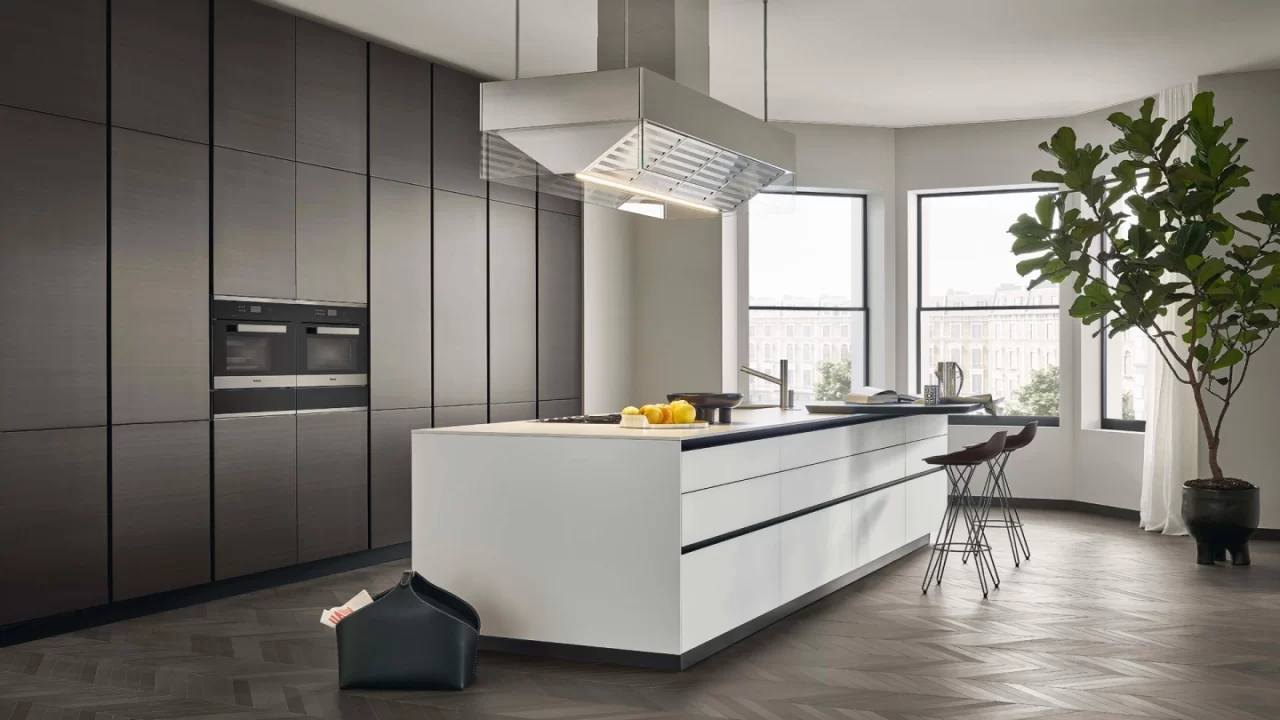
If you have ever tried to scrub a stubborn turmeric stain off a pristine white cabinet, you know exactly why choosing the right color matters in an Indian kitchen. We love our spices. We love our tadkas. But all that vibrant cooking comes with a side effect: splashes, oil fumes, and the inevitable yellow stain. Designing a kitchen in India isn’t just about aesthetics; it is about survival.
You need a palette that can handle the heat and the chaos while still looking elegant when guests arrive. The trend of all-white European kitchens is beautiful, but is it practical for a home where dal is cooked daily? Probably not. The best kitchen colour combinations balance style with heavy-duty practicality. Let’s explore the palettes that are not only stunning but also forgiving enough to handle the reality of an Indian household.
The Logic Behind Indian Kitchen Palettes
Before we pick up a paintbrush, we need to understand the environment. Indian kitchens see higher temperatures and more oil usage than Western kitchens. This means surfaces tend to attract grime faster. Therefore, the lower cabinets—the ones most prone to spills—should ideally be darker or textured.
However, many Indian apartments also suffer from limited natural light. If you go too dark with your kitchen colour design, the room can feel like a cave. The solution? Two-tone kitchens. This is where you use a darker, sturdier color for the base cabinets and a lighter, airier color for the wall cabinets. It is the perfect compromise between durability and brightness.
The Dust Factor
In many Indian cities, dust is a constant battle. Jet black cabinets might look sleek in a showroom, but they show every speck of dust in a real home. Mid-tones and wood grains are your best friends here. They camouflage the dust until you have time to clean.
Size Perception
Colour changes the perceived size of the room. Lighter colors recede, making a small Mumbai kitchen feel larger. Darker colors advance, making a large space feel cozy. Keep this in mind as we dive into specific kitchen colour ideas.
The Safe & Sophisticated: Cappuccino and Off-White
If you are risk-averse but want something warmer than clinical white, this is it. Cappuccino (a warm, milky beige) paired with off-white or cream is a timeless choice. It brings a cozy, café-like vibe to the space.
This combination works beautifully with the warm lighting we usually prefer in Indian homes. The beige bottom cabinets hide the minor splashes of coffee or tea, while the cream upper cabinets reflect light, keeping the space airy.
Wood Accents
To elevate this look, add wooden elements. A wooden countertop or open shelving in a walnut finish adds texture. It prevents the beige from looking boring. You can see how natural elements enhance a space in our guide on Biophilic Design: Benefits of Natural Elements in Furniture.
Hardware Choices
Pair this palette with brushed gold or brass handles. The warm metal tones complement the cappuccino perfectly, adding a touch of luxury kitchen appeal without being flashy.
The Modern Cool: Slate Grey and Crisp White
For the urban minimalist, grey is the new beige. A slate grey or charcoal base paired with crisp white upper cabinets is one of the most popular modern kitchen colour combinations right now. It feels industrial, sleek, and incredibly clean.
Grey is a fantastic neutral. It doesn’t clash with your colorful appliances or your red mixer-grinder. It creates a calm backdrop. Plus, grey cabinets are incredibly forgiving when it comes to fingerprints and smudges.
Backsplash Pop
Since the cabinets are neutral, you can go wild with the backsplash. Patterned Moroccan tiles or a bold geometric design add personality. It is a safe way to inject color without committing to painting the cabinets.
Stainless Steel Harmony
This combination works effortlessly with stainless steel appliances, which are standard in most Indian homes. The fridge and the chimney blend right in rather than sticking out. Check out our kitchen designs to see how sleek grey cabinetry can transform your space.
The Nature Lover: Sage Green and Wood
Green is having a major moment in interior design. It represents freshness and health, which is exactly the vibe you want where you cook. Sage green is a muted, greyish-green that feels very sophisticated. It is not a loud parrot green.
Pairing sage green cabinets with light wood (like oak or pine) creates a serene, organic look. It feels like bringing the outdoors in. This works particularly well if your kitchen overlooks a balcony or a garden.
Stain Camouflage
Surprisingly, green is great at hiding stains. Vegetable splashes blend in better with green than they do with white. It is a practical choice for a vegetarian household where plenty of chopping and peeling happens.
Lighting Needs
Green absorbs light more than white does. Ensure you have good task lighting under the cabinets. You don’t want the counters to feel gloomy. Learn how to layer your lights in How Lighting Can Elevate Your Furniture and Room Ambiance.
The Bold Statement: Navy Blue and White
If you want drama, look no further than Navy Blue. It is regal. It is bold. It screams confidence. Navy blue base cabinets ground the room instantly. When paired with white upper cabinets and a white countertop, the contrast is striking.
This is a classic nautical theme that has been adapted for modular kitchen colour combinations across the world. In India, it feels particularly cooling, a nice psychological counter to the heat of the stove.
Gold or Silver?
Navy blue is versatile. Pair it with silver hardware for a cool, modern look. Pair it with gold hardware for a rich, royal look. Both work exceptionally well.
Floor Balance
Because blue is a strong color, keep the flooring neutral. A simple white or beige tile floor prevents the room from feeling too dark. If you have a small kitchen, use blue sparingly, perhaps just on the island or a tall pantry unit.
The Spicy Warmth: Terracotta and Cream
Why not embrace the colors of our spices? Terracotta, burnt orange, or rust tones bring an earthy warmth to the kitchen. These colors stimulate the appetite and feel very welcoming.
This palette connects deeply with traditional Indian aesthetics. It mimics the look of clay pots and brickwork. However, to avoid it looking dated, choose a matte finish for the terracotta and pair it with a sleek, modern cream or light grey.
Vastu Connection
According to Vastu Shastra, the kitchen (usually in the South-East corner) is governed by the element of Fire. Therefore, colours like orange, yellow, and red are considered very auspicious. They are believed to improve health and digestion. Including hints of these colours in your kitchen colour ideas is a subtle way to respect tradition.
Texture Play
Terracotta looks amazing with stone textures. A granite countertop or a stone-finish backsplash enhances that rustic, earthy vibe. It feels grounded and solid.
The Sunny Side: Mustard Yellow and Grey
Yellow is a risky color. Too bright, and it hurts your eyes. But a muted mustard yellow is pure joy. It makes the kitchen feel sunny even on a monsoon day. Since yellow is intense, you don’t want to paint the whole kitchen yellow.
Pair it with grey. Grey tones down the energy of the yellow, making it livable. A grey kitchen with yellow open shelves or a yellow breakfast counter is fun and modern.
Small Space Hero
Yellow is an expanding color. It reflects light brilliantly. If you have a tiny, windowless kitchen, a splash of yellow can trick the eye into thinking there is natural light.
Styling It
Keep the accessories simple. White crockery and clear glass jars look best against yellow. You don’t want to add more clutter to a visually busy color. See how color impacts perception in Smart Space-Saving Furniture for Small Apartments.
The Finish Debate: Matte vs. Glossy
Once you pick the color, you have to pick the finish. This is almost as important as the hue itself for kitchen colour combinations.
Glossy (Acrylic/High Gloss Laminate):
- Pros: Reflects light, making small kitchens look bigger. Very easy to wipe clean (oil slides right off).
- Cons: Shows fingerprints and scratches easily. Can look a bit “plastic” if not good quality.
Matte (PU/Matte Laminate):
- Pros: Looks rich and velvety. Hides scratches and fingerprints better. Very trendy.
- Cons: Harder to clean (oil can smudge into the texture). Doesn’t reflect light, so needs better artificial lighting.
For Indian kitchens, a mix is often best. Glossy upper cabinets to reflect light, and matte lower cabinets to hide the wear and tear.
Countertop Coordination
Your cabinet color must talk to your countertop. In India, we love our black granite (it is cheap and indestructible). If you have black granite, avoid dark blue or dark grey cabinets; the kitchen will disappear into a black hole. Go for lighter woods, creams, or whites.
If you choose a white quartz countertop (which stains easily with turmeric, be warned!), you can afford to go darker with your cabinets. The contrast will look sharp and defined. Browse our bar counter collection to see how different surfaces pair with cabinetry.
Recap
Your kitchen color sets the mood for your meals and your memories. Whether you choose the safety of cappuccino, the freshness of sage green, or the drama of navy blue, ensure it works for your cooking style. Remember to account for the lighting, the dust, and the haldi. The best kitchen colour combinations are the ones that make you want to cook, but also make it easy to clean up afterwards.
Turn comfort and style into your new normal. Let’s design a kitchen palette that reflects your taste and lifestyle today.
0 Comments