
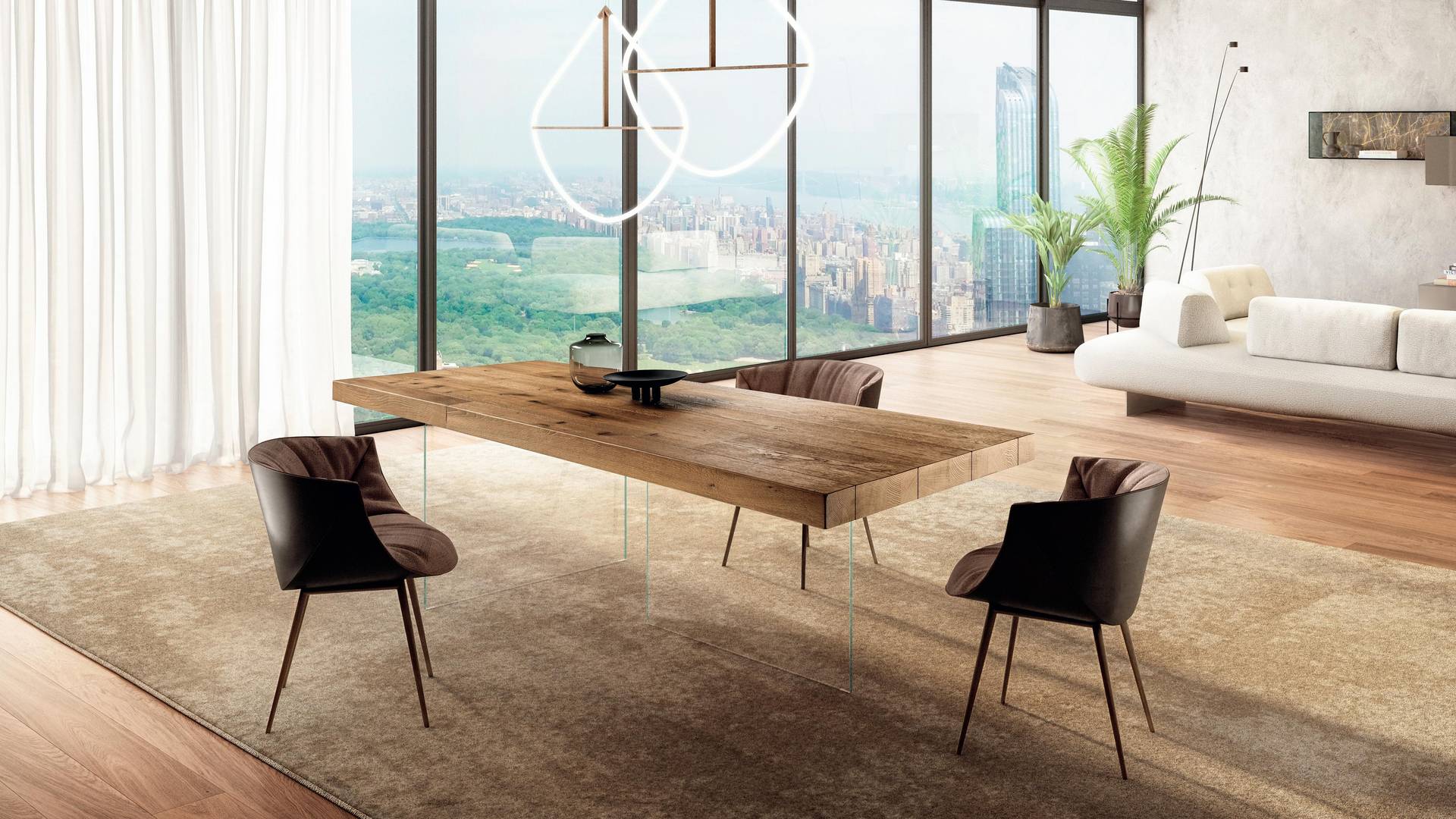
Do you ever walk into your bedroom and feel like the walls are closing in on you? It is a common frustration, especially in urban apartments where square footage is a luxury. We often blame the size of the room, but more often than not, the culprit is the layout. A poorly arranged room feels cramped and chaotic, regardless of its actual dimensions.
The good news is that you don’t need to knock down walls to find more space. You simply need to trick the eye. By shifting a few key pieces and understanding the flow of light and movement, you can visually expand your room. It is about breathable space. Let’s explore the furniture placement tips that interior designers use to turn cozy corners into spacious sanctuaries.
Rethink Your Bed Positioning
The bed is the elephant in the room. It takes up the most floor space, so its placement dictates everything else. In a small room, the instinct is often to shove it into a corner to “save” space in the middle. However, this can actually make the room look lopsided and dorm-like.
Centering the bed on the main wall is usually the best move for bedroom furniture placement. This creates symmetry, which the brain interprets as order and calmness. When there is space on both sides of the bed, the room feels balanced. If your room is long and narrow, placing the bed against the back wall draws the eye through the entire length of the room, emphasizing the depth rather than the width.
Avoid Blocking Windows
Natural light is your best friend in a small room. Never place a high headboard in front of a window if you can avoid it. Blocking the light makes the room feel cave-like and smaller. If you must place the bed there, choose a low-profile frame that lets the sunlight stream in over the top.
The Command Position
Try to place the bed where you can see the door, but you are not directly in line with it. This “command position” reduces subconscious anxiety and makes the room feel like a proper master suite rather than a storage closet. You can browse our collection of beds to find sleek designs that fit perfectly without overwhelming your wall.
Lift Furniture Off the Floor
One of the oldest tricks in the design book is to show more floor. When the eye can see the floor continuing underneath the furniture, the brain registers that floor space as available room. Heavy, blocky furniture that sits flush against the floor stops the eye and makes the footprint feel smaller.
Opt for furniture placement that favors pieces with exposed legs. A bed frame on tapered legs, a sofa with visible feet, or a nightstand that floats on the wall all contribute to this airy feeling. It creates a sense of “visual flow” where light and air seem to circulate under your furniture.
Floating Nightstands
In tight spaces, traditional nightstands can feel bulky. Consider mounting floating shelves or drawers directly to the wall on either side of the bed. This frees up the floor space underneath for a basket or simply leaves it empty to enhance the sense of openness.
The Leggy Look
Apply this rule to your dressers and chairs too. Mid-century modern styles are particularly good for this as they are designed to look light and unobtrusive. It is a subtle change that makes a massive difference in how spacious the room feels. For more ideas on maximizing limited square footage, check out our guide on Smart Space-Saving Furniture for Small Apartments.
Maximize Vertical Space
When you cannot spread out, you must go up. Using vertical space draws the eye upward towards the ceiling, making the room feel taller and more grand. Instead of a wide, low dresser that eats up your walking path, choose a tall, narrow chest of drawers or an armoire.
This approach to bedroom furniture layout tips is crucial for small Indian bedrooms where floor space is premium. Floor-to-ceiling wardrobes are excellent because they utilize every inch of vertical storage while creating a seamless look that blends into the wall.
High Shelving
Install shelves high up on the walls, perhaps above the door frame or near the ceiling. This draws the eye up and provides storage for items you don’t use daily. It keeps the clutter off your nightstands and dressers, which is key to maintaining a spacious vibe.
Curtains Matter
Hang your curtains as high as possible. Install the rod just below the ceiling cornicing rather than right above the window frame. This optical illusion creates long vertical lines that make the ceiling feel higher and the room feel larger.
The Strategic Use of Mirrors
Mirrors are not just for checking your outfit. They are architectural tools. Placing a large mirror opposite a window basically doubles your natural light and reflects the view, acting like a second window. This is one of the most effective bedroom furniture placement ideas for instant expansion.
You can lean a tall floor mirror against a wall to add depth. It blurs the boundaries of the room, making it hard to tell where the wall ends. If you don’t have floor space, consider mirrored wardrobe doors. They make a massive storage unit disappear visually.
Reflecting Openness
Be careful what the mirror reflects. Position it so it reflects a clean, open part of the room or a piece of art, rather than a cluttered corner or a laundry hamper. Reflecting clutter just doubles the mess.
Glass Elements
Beyond mirrors, consider using glass or acrylic furniture. A transparent acrylic chair or a glass-topped side table takes up zero “visual weight.” It serves a function without blocking the view, which is perfect for maintaining an airy atmosphere. Read more about this in our article on Mirrors in Decor: Visual and Practical Benefits Explained.
Clear the Pathways
Nothing makes a room feel smaller than bumping your shin on a sharp corner. Flow is essential. Your furniture placement should allow for easy movement between zones. You should be able to walk from the door to the bed, and to the closet, without doing a sideways shuffle.
If a piece of furniture obstructs a natural walkway, it needs to move. This might mean swapping a deep dresser for a shallower console table. It might mean moving the laundry basket into the closet. Clear paths subconsciously signal that there is plenty of room.
The Triangle Rule
Leave at least 24 to 30 inches of walking space around the major furniture pieces. If you don’t have that clearance, the furniture is too big for the room. Scaling down your furniture size is better than cramping your lifestyle.
Round Edges
In tight pathways, choose furniture with rounded edges. A round ottoman or a curved bedside table is much more forgiving physically and visually than sharp corners. It softens the room and makes the flow feel effortless.
Scale and Proportion Control
A common mistake is filling a small room with many tiny pieces of furniture. Ironically, this makes the room feel cluttered and busy. A few larger, statement pieces actually make a small room feel grander and calmer.
For example, one large rug that anchors the bed is better than three small scatter rugs. One substantial wardrobe is better than a dresser, a clothing rail, and a plastic bin. It is about reducing visual noise.
The Rug Rule
When placing a rug, ensure it is large enough. A tiny rug at the foot of the bed looks like a postage stamp and shrinks the room. Ideally, the rug should go under the bed and extend out on the sides. This draws the eye wide and grounds the space. You can find the right size in our rugs collection.
Avoid the “Dollhouse” Effect
Don’t be afraid of a large headboard or a bold piece of art. These become focal points that distract from the room’s size. They give the eye somewhere to rest, rather than bouncing around a dozen small knick-knacks.
Lighting Placement for Depth
Dark corners absorb space. They define the limits of the room rigidly. Proper lighting placement can blur these edges. Instead of relying on a single overhead bulb which casts harsh shadows, layer your lighting.
Place lamps in the corners of the room to push the walls out visually. Wall sconces are fantastic for small bedrooms because they free up surface space on your nightstand. By illuminating the walls and ceiling, you make the room feel airy and bright.
Warmth and Ambience
Use warm light to create a cozy, expansive glow. Cool, harsh light can make a small room feel like a clinical box. Integrating lighting into your furniture placement tips strategy ensures the room feels welcoming at night, not just during the day.
Highlighting Features
Use light to highlight the furthest point of the room from the door. It draws the eye all the way across the space, emphasizing the maximum distance. Learn more about layering light in How Lighting Can Elevate Your Furniture and Room Ambiance.
Recap
Making a bedroom feel larger isn’t about magic; it is about geometry and light. By pulling furniture away from the walls where possible, choosing pieces that show the floor, and prioritizing vertical storage, you can transform the feel of your room instantly. It is about creating a layout that breathes. Remember, your bedroom is your retreat. It should feel open, airy, and relaxing, no matter the square footage.
Ready to transform your space with style? Let’s find the perfect pieces to open up your bedroom today.
0 Comments