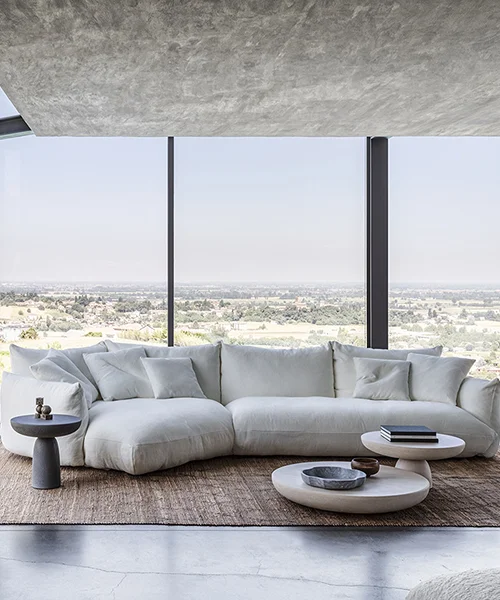
Modern sideboard cabinet with clean lines, neutral finish, and ample storage in a contemporary living space

Types of Sideboards: A Complete Guide for Modern Homes

Jan 23, 2026 | 0 comments

We often focus on the big ticket items. The sofa takes center stage in the living room. The dining table commands the eating area. But there is a silent hero in the background that ties everything together. It is the sideboard. This piece of furniture is the ultimate multi-tasker. It swallows clutter, displays your favorite treasures, and serves drinks at a party. Yet, when it comes time to buy one, the terminology can be confusing. Buffets, credenzas, servers—what is the difference? And which one do you actually need?

Choosing the right storage unit isn’t just about measuring a wall. It is about understanding how you live. Do you need a place to hide heavy dinner plates, or do you need a sleek surface for your TV? With so many types of sideboards available, finding “the one” can feel overwhelming. Let’s decode the options and help you find the perfect blend of style and utility for your home.

The Classic Buffet vs. The Modern Sideboard

First, let’s clear up the names. In the design world, these terms are often used interchangeably, but there are subtle historical differences. A “buffet” typically refers to a piece used in the dining room for serving food. It often has higher legs. A “credenza” is usually lower and longer, originally used in offices or hallways.

+1

However, in modern Indian homes, the term “sideboard” covers them all. It is the catch-all term for waist-high storage cabinets. The key is to look at the function rather than the label. Whether you call it a sideboard cabinet or a server, its job is to provide accessible storage while looking good.

The Height Factor

Standard sideboards are usually about 30 to 36 inches high. This is the perfect height for serving food buffet-style. If you go lower (around 20-25 inches), it starts to look more like a media unit. If you go higher, it becomes a console cabinet.

Depth Decisions

Most sideboards are between 15 to 20 inches deep. This is enough to hold a standard dinner plate. If you have a narrow hallway, ensure you check the depth carefully so you don’t block the walking path.

The Wooden Sideboard: Timeless Warmth

When in doubt, go with wood. Wooden sideboards are the backbone of interior design. They bring warmth, texture, and a sense of permanence to a room. In a modern apartment filled with glass, steel, and drywall, a substantial piece of timber grounds the space.

You can find them in everything from pale Scandinavian oak to rich, dark Indian teak (sheesham). The natural grain patterns act as a subtle artwork. They don’t scream for attention, but they quietly elevate the room’s quality.

Texture and Detail

Look for details like fluted wood fronts or intricate marquetry. These add depth without adding visual clutter. A simple wooden box can be transformed into a luxury statement piece just by the texture on the doors.

Durability

Solid wood lasts for generations. It can handle the weight of heavy crockery and the occasional bump from a vacuum cleaner. It is an investment in longevity. Learn more about spotting high-quality timber construction in our guide on Why Quality Craftsmanship Matters in Furniture.

The Floating Sideboard: A Space-Saving Marvel

If floor space is precious, get the furniture off the ground. A floating sideboard is mounted directly to the wall. It has no legs. This creates an optical illusion of more space because the eye can see the floor stretching all the way to the wall.

This is one of the most popular types of sideboards for contemporary, minimalist homes. It looks sleek, architectural, and custom-made. It is particularly effective in narrow dining areas where bulky legs might make the room feel cramped.

Cleaning Ease

From a practical standpoint, floating units are a dream. You can sweep and mop right underneath them without moving a thing. No more dust bunnies hiding behind furniture legs.

Installation Note

You need a solid wall to support a floating unit, especially if you plan to fill it with heavy plates. Ensure your contractor uses the correct heavy-duty anchors. Browse our sleek sideboards to see if a wall-mounted look fits your aesthetic.

The Glass-Front Sideboard: Display Meets Storage

Sometimes, you have things you want to show off. Maybe it is your grandmother’s crystal glasses or a collection of beautiful ceramic bowls. A glass-front sideboard allows you to display these items while keeping them safe from dust.

This style breaks up the monotony of solid wood or paint. The glass reflects light, making the piece feel lighter and less imposing. It acts like a curio cabinet but with a modern, horizontal profile.

Organized Interiors

The catch is that you have to keep the inside tidy. There is no hiding a mess behind glass. Use this for your “best” items and keep the tupperware in a solid cabinet.

Lighting Inside

For an extra touch of luxury, install LED strip lighting inside the cabinet. It turns your storage unit into a glowing display case in the evening, adding ambient light to the room.

Open Shelving Sideboards: The Airy Alternative

Some sideboards combine drawers with open shelves. This hybrid design offers the best of both worlds. You get the hidden storage for the ugly stuff (tablecloths, candles, papers) and open shelves for the pretty stuff (coffee table books, vases).

This style feels less like a heavy block and more like a piece of sculpture. It is one of the more casual types of sideboards and works well in relaxed living rooms or entryways.

Styling the Shelves

The open shelves are a styling opportunity. Don’t overfill them. Leave some negative space. A stack of books and a small plant are often enough.

Accessibility

Use the open shelves for items you grab often, like everyday placemats or your favorite magazines. It saves you from opening a door every time. Get more styling inspiration in our article on Open Shelving Ideas: Stylish Ways to Display and Organize.

Sideboards for the Dining Room

The dining room is the traditional habitat of the sideboard. Here, function is king. Sideboards for dining room usage need to be workhorses. They need deep shelves for large serving platters and drawers for cutlery and napkins.

The top surface is crucial here. It serves as a buffet station during parties. It holds the drinks, the desserts, or the extra curry bowls that don’t fit on the main table. Therefore, the surface needs to be durable and heat-resistant if possible.

The Bar Setup

Many people use the dining sideboard as a permanent bar. A tray with bottles and glasses on one side looks inviting and keeps the main table clear for eating.

Size relative to Table

Ensure the sideboard is not deeper than the dining table’s head chair clearance. You need at least 36 inches of walkway between the table and the sideboard to serve comfortably. Check our dining tables to find a pair that scales perfectly together.

Sideboards for the Living Room

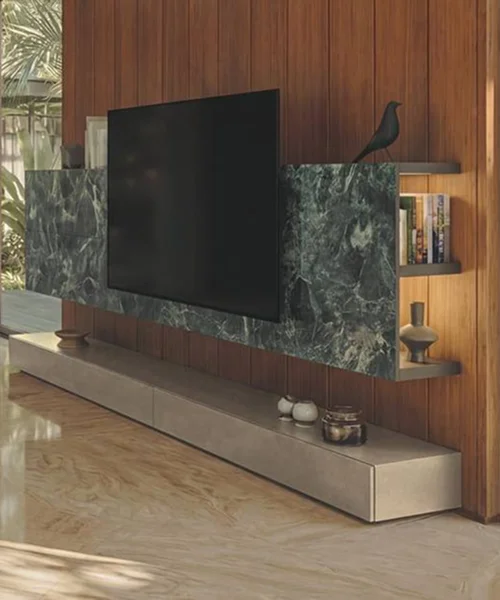
In the living room, the rules change. Sideboards for living room layouts are often used as media units or simply to anchor a wall. Here, aesthetics play a larger role.

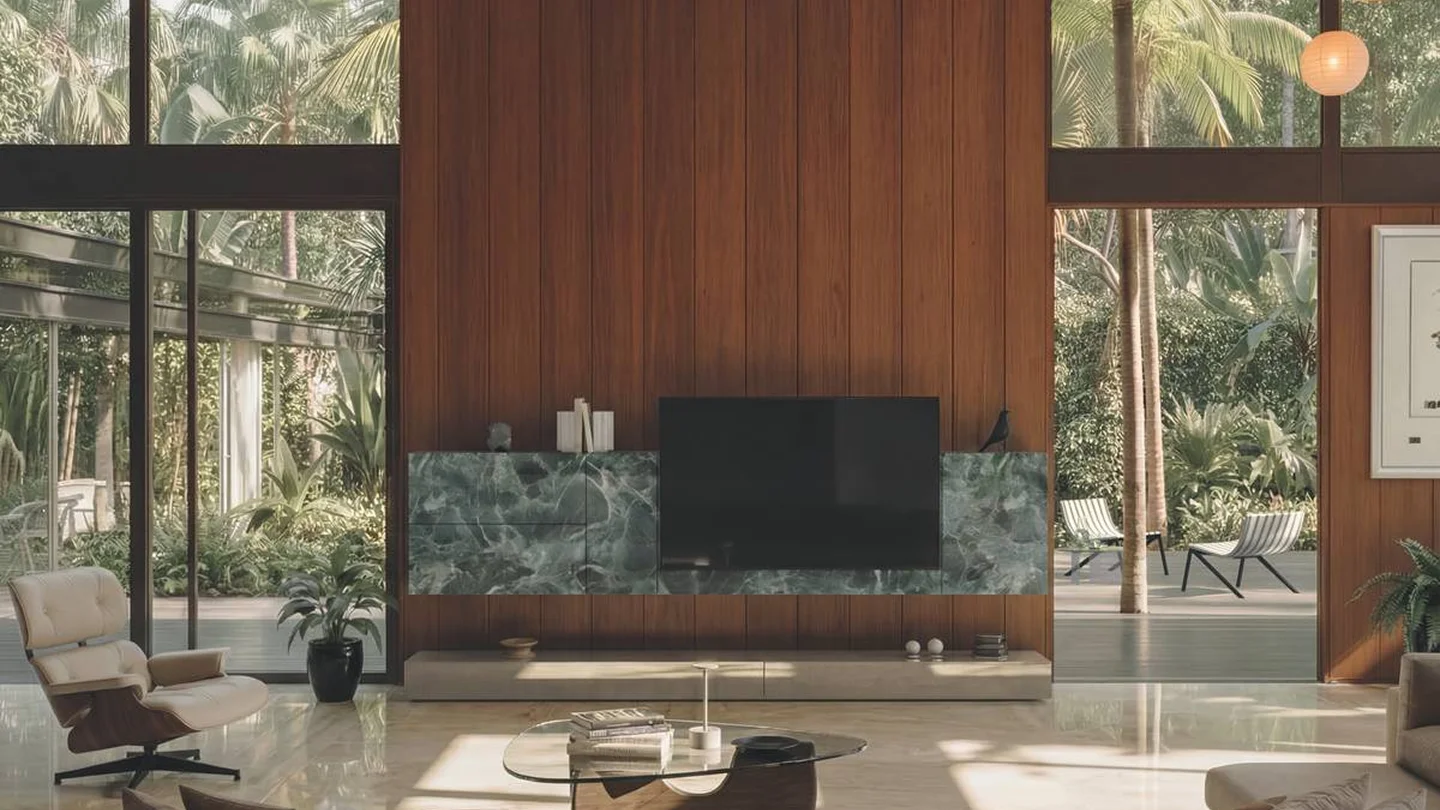
A long, low sideboard under a wall-mounted TV is a classic modern look. It hides the cable box, the gaming consoles, and the messy wires, leaving a clean, cinematic view.

The “Fauxdenza”

Designers often push two or three smaller sideboards together to create one massive, wall-to-wall unit. This creates a built-in look for a fraction of the cost of custom joinery. It creates a seamless horizontal line that makes the room look huge.

Toy Storage

For families, a living room sideboard is the secret to a tidy home. It is the perfect place to dump toys, school bags, and board games at the end of the day. Close the doors, and the chaos disappears. Read more on maintaining a sleek look in Minimalist Living Room Ideas for a Sleek, Clutter-Free Space.

Modern Sideboards: Tech and Sleek Lines

Modern sideboards are evolving. They are no longer just wooden boxes. We are seeing high-gloss lacquer finishes, stone tops, and metal inlays. The hardware is disappearing, replaced by push-to-open mechanisms that keep the front perfectly smooth.

Color is also making a comeback. Deep navy, forest green, or even matte black sideboards are trending. They act as bold accent pieces that contrast with neutral walls.

Tech Integration

Some modern units come with built-in cable management holes in the back panel. This is a small detail that makes a huge difference if you plan to house electronics inside.

Mixed Materials

A marble top on a wooden base is a stunning combination. It adds a layer of luxury and protects the wood from water rings and scratches.

Choosing the Right Size and Height

The most common mistake people make is buying a sideboard that is too small. A tiny sideboard on a large wall looks lost. It looks like an afterthought.

As a general rule, your sideboard should be at least 2/3 the length of the wall or the sofa it sits behind. If in doubt, go bigger. A longer piece creates a sense of luxury and grandeur.

Leg Height

Consider the leg height. Tall legs make the piece feel lighter and more elegant. Short legs or a plinth base make it feel solid and substantial. Choose based on the vibe you want: airy or grounded.

Recap

The world of sideboards furniture is vast, but it doesn’t have to be confusing. Whether you choose a classic wooden buffet for your dining room or a sleek floating unit for your media wall, the goal is the same. You want a piece that hides the mess and highlights the beauty. By understanding the different types of sideboards, you can make a choice that fits your storage needs and elevates your home’s style. It is the piece of furniture that completes the room.

Ready to transform your space with style? Let’s find the perfect storage statement for your home today.

0 Comments

Submit a Comment