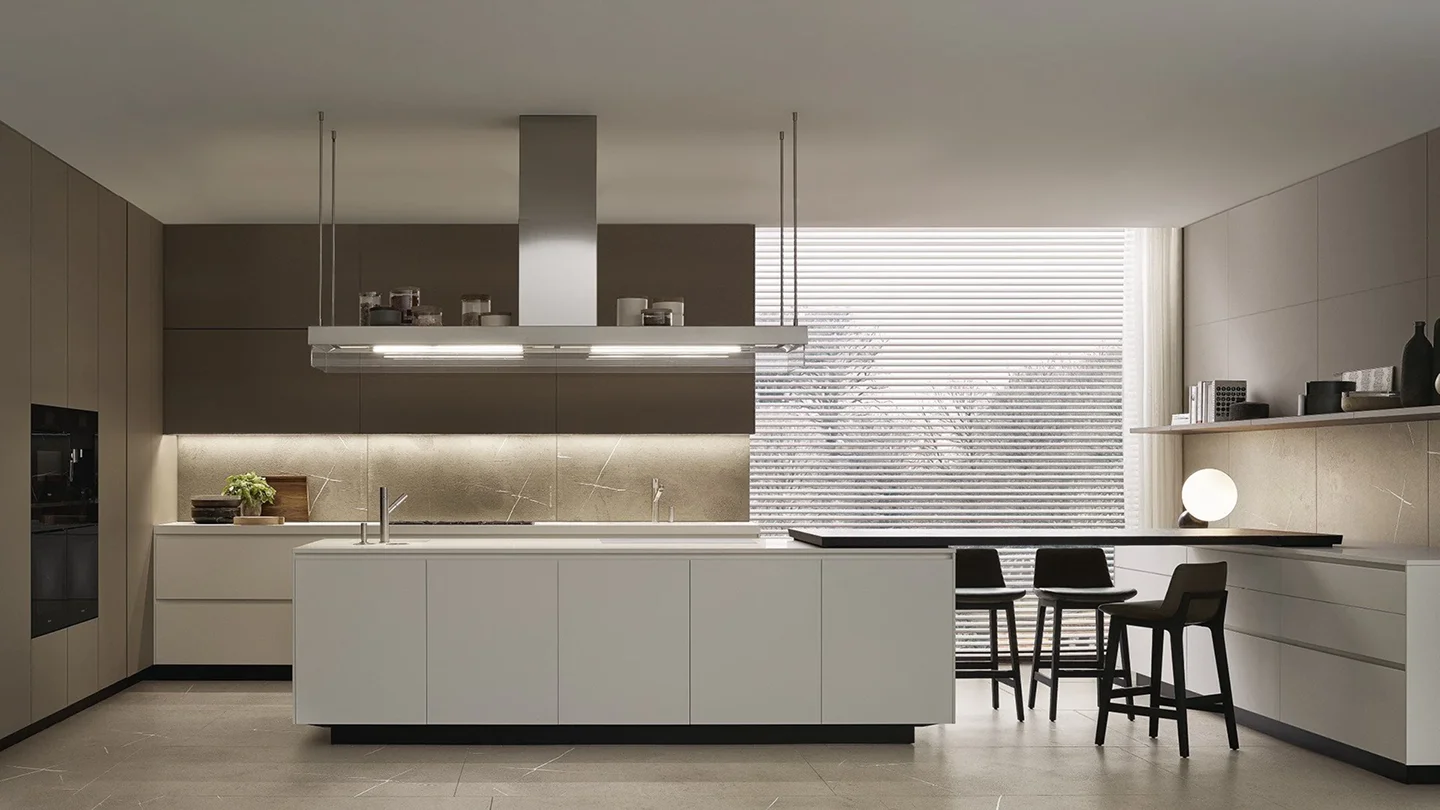
The kitchen is often called the engine room of the home. It is where the magic happens. But let’s be honest. It is also where the mess happens. If you have ever spent ten minutes digging through a dark cupboard to find the right lid for a tupperware container, you know the frustration. The difference between a kitchen that is a joy to cook in and one that is a daily headache usually comes down to one thing: storage.
Designing a kitchen isn’t just about picking a pretty color. It is about understanding the different tools at your disposal. Not all cabinets are created equal. Some are designed to carry the heavy load of cast iron pots, while others are precision-engineered for your delicate spices. Understanding the various types of kitchen storage cabinets is the first step to building a space that works as hard as you do. Let’s break down the essential building blocks of a functional, modern kitchen.
The Foundation: Base Cabinets
Base cabinets are the workhorses of your kitchen layout. These are the units that sit directly on the floor and support your countertops. Because they bear the weight of heavy granite or quartz, they need to be incredibly sturdy. In most Indian kitchens, this is where the heavy lifting happens. It is where you store your big pressure cookers, kadhais, and heavy bags of rice or atta.
When choosing base kitchen cabinet types, you generally have two options: cupboards with shelves or drawer units. While cupboards are traditional, they can be ergonomically difficult because you have to bend down and reach into the back.
The Durability Factor
Since base cabinets take the most abuse (kicks, spills, heavy weights), the build quality is non-negotiable. You want hinges that don’t sag and legs that don’t wobble. This is a long-term investment. You can read more about what makes a cabinet last in our article on Why Quality Craftsmanship Matters in Furniture.
Sink Base Cabinets
A specific type of base cabinet is the sink unit. It has no back panel or drawers to allow for plumbing pipes. It is often a chaotic zone, but adding a waterproof liner and a door-mounted trash can turns it into a functional cleaning station.
Wall Cabinets: Maximizing Vertical Space
Wall cabinets (or upper cabinets) are bolted to the wall above the counter. These are your primary storage for things you need to grab quickly and frequently. They are perfect for glassware, dinner plates, and coffee mugs. Because they are at eye level, they define the look of the kitchen more than any other element.
However, wall cabinets are shallower than base cabinets. This ensures you don’t bang your head on them while chopping vegetables below. The standard depth is usually 12 to 14 inches, which is just right for a dinner plate but too small for a appliance.
Height Decisions
One of the big debates in kitchen storage cabinet designs is how high to take these cabinets. Should they stop a foot below the ceiling or go all the way up?
- To the Ceiling: This eliminates the dust trap on top of the cabinet and maximizes storage for rarely used items.
- Floating: Leaving space above can make a small kitchen feel airier, but be prepared to dust up there regularly.
Accessibility
For shorter family members, high wall cabinets can be a pain. Consider installing a pull-down shelf mechanism. This allows you to bring the contents of the shelf down to eye level with a gentle pull, making the top shelves actually usable.
Tall Cabinets: The Pantry Powerhouse
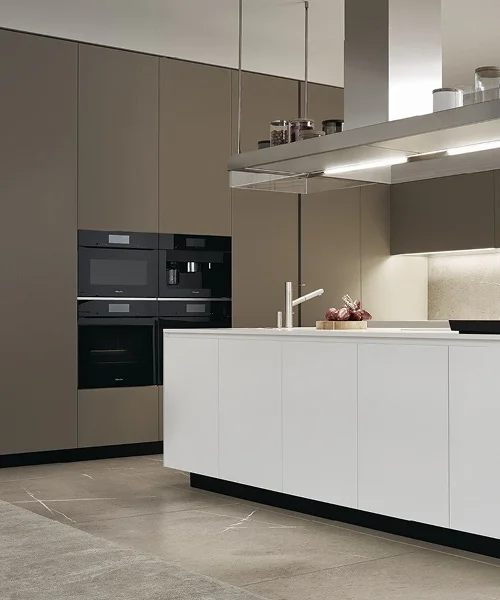
If you have the space, a tall cabinet (or utility tower) is a game-changer. These run from the floor to the top alignment of your wall cabinets. In the world of kitchen storage cabinets, these are the kings of volume. They are typically used as pantries.
In an Indian home, where we store dozens of different dals, spices, and snacks, a tall pantry unit is essential. It consolidates all your dry goods into one zone. No more hunting through five different cupboards to find the turmeric.
Appliance Towers
Tall cabinets are also used to house built-in appliances. You can stack a microwave and an oven at chest height in a tall unit. This saves your back from bending down to check a roast and frees up valuable counter space.
The Broom Closet
A narrow tall cabinet is often the perfect hiding spot for brooms, mops, and the vacuum cleaner. It keeps the cleaning supplies out of sight but easily accessible right where the mess is made. Explore our kitchen designs to see how we integrate these tall units seamlessly.
Corner Cabinets: Solving the Dead Space
The corner is the enemy of kitchen design. Where two lines of cabinets meet, you get a deep, dark cavern that is notoriously hard to reach. Standard shelves here are useless because things get lost in the back forever.
Fortunately, modern kitchen storage cabinets have solved this with clever engineering.
- The Lazy Susan: A rotating tray that brings the items in the back to the front. Great for cans and bottles.
- The Magic Corner: A sophisticated mechanism where pulling the door swings out a set of wire baskets, completely exposing the contents of the blind corner.
- The Le Mans Pull-Out: Peanut-shaped shelves that glide out smoothly, maximizing every inch of that awkward space.
Investing in a good corner mechanism is worth every rupee. It turns dead space into prime real estate.
Drawer Units vs. Door Cabinets
There is a massive shift happening in different types of kitchen cabinets. We are moving away from doors and towards drawers. Why? Ergonomics.
When you open a drawer, you see everything at once. You don’t have to get on your knees and dig. Deep drawers (often called pot drawers) are perfect for stacking heavy cookware. Shallow top drawers are essential for cutlery and cooking ladles.
+1
The Cutlery Organizer
Don’t underestimate the power of a drawer divider. A dedicated insert for spoons, forks, and knives keeps the chaos at bay. You can even get specialized inserts for spice jars, laying them flat so you can read the labels instantly.
Soft-Close Magic
Ensure your drawers have soft-close runners. In a busy kitchen, slamming drawers is noise you don’t need. Soft-close adds a premium feel and protects the cabinet structure from impact damage.
Specialty Units: Pull-Outs and Organizers
Beyond the standard boxes, there are specialized kitchen storage cabinet ideas designed for specific tasks. These are the details that make a kitchen feel custom-made.
- The Bottle Pull-Out: A narrow, vertical drawer usually placed near the stove. It is perfect for storing oil bottles, vinegar, and sauces upright.
- The Wicker Basket: Pull-out wicker baskets are excellent for storing onions and potatoes. They allow air to circulate, keeping the vegetables fresh longer than a sealed drawer would.
- Trash Pull-Outs: Hide the dustbin. A cabinet door that pulls out to reveal two bins (wet and dry waste) keeps the kitchen smelling fresh and looking clean.
+1
Glass-Front vs. Solid Doors
The material of the door changes the vibe entirely. Solid doors are great for hiding clutter. If your cupboards are messy inside, solid doors are your best friend. They create a clean, uniform wall of color.
Glass-front cabinets (or display cabinets) break up the monotony of wood or laminate. They reflect light and make the kitchen feel larger. However, they require discipline. Everything inside needs to be arranged neatly. Use them to display your pretty wine glasses or colorful ceramic bowls.
Textured Glass
If you want the airy feel of glass but don’t want to constantly tidy up, consider fluted or frosted glass. It blurs the contents, giving you a hint of color without showing the mess. This works beautifully in transition areas, perhaps near a bar counter or breakfast nook.
Open Shelving: The Airy Alternative
Strictly speaking, open shelving isn’t a “cabinet,” but it is a crucial part of the storage mix. Removing a section of wall cabinets and replacing them with floating wood shelves opens up the kitchen visually. It makes the room feel less boxy.
This is a great place to keep things you use every single day, like your coffee jar or water glasses. It is also the spot for decor—a small plant or a framed recipe card. It adds personality. To master the art of styling these shelves without them looking cluttered, read our guide on Open Shelving Ideas: Stylish Ways to Display and Organize.
The “Overflow” Cabinet: Sideboards
Sometimes, the kitchen just isn’t big enough. In open-plan homes, storage often spills over into the dining area. A sideboard or buffet is essentially a kitchen cabinet that lives in the dining room.
It is perfect for storing items you don’t use daily—fancy china, table runners, or extra serving platters. It frees up your prime kitchen storage for the daily essentials. Browse our collection of sideboards to find a piece that complements your kitchen joinery.
Small Kitchen Strategies
If you have a compact kitchen, every inch counts. You need to use the “in-between” spaces.
- Toe-Kick Drawers: The plinth at the bottom of the cabinet is usually hollow. You can install flat drawers here to store baking sheets or placemats.
- Magnetic Strips: Use the backsplash. A magnetic knife strip clears up a drawer.
- Hooks: Hooks under the wall cabinets can hold mugs or utensils.
For more tips on handling tight spaces, check out Smart Space-Saving Furniture for Small Apartments.
Recap
Choosing the right types of kitchen storage cabinets is about balancing volume with accessibility. You need deep base cabinets for the big stuff, wall cabinets for the daily stuff, and tall units for the pantry items. By mixing drawers, doors, and clever pull-outs, you can create a workflow that feels effortless. A well-organized kitchen makes cooking faster, cleaning easier, and the whole home feel calmer.
Ready to make your dream home come true? Let’s design a kitchen storage system that works perfectly for your lifestyle.

0 Comments