Minimalist floating wooden console table with organic live edges and pebble-shaped mirrors by Ventura Interiors.

Console Table vs Coffee Table: Placement, Purpose & Styling Explained

Jan 21, 2026 | 0 comments

Walking into a furniture showroom can feel a bit like learning a new language. You have side tables, end tables, nesting tables, and accent tables. But the two heavyweights that often cause the most confusion—not in what they are, but in how to use them—are the console table and the coffee table.

While they both offer surface space, their roles in your home are drastically different. One is a social anchor, bringing people together. The other is a solitary statement, defining perimeters and transitions. Understanding the nuances of console table vs coffee table dynamics is the key to a room that feels professionally designed rather than just furnished. Let’s strip back the jargon and look at exactly where these pieces go, what they do, and how you can style them to elevate your Indian home.

The Coffee Table: The Social Anchor

Let’s start in the center of the action. The coffee table is the campfire of the modern living room. It sits low to the ground and serves as the hub around which your seating is arranged. Its primary job is to serve the people sitting on the sofa.

Coffee Table Purpose

The coffee table purpose is functional interactivity. It is there to hold your drink, your magazine, your remote control, and (let’s be honest) your feet after a long day. It grounds the seating area. Without a coffee table, a sofa and two armchairs can feel like they are floating in an abyss. The table pulls them together visually, creating a cohesive “conversation zone.”

In open-plan Indian homes, the coffee table often doubles as an informal dining spot for tea and snacks. It needs to be robust enough to handle the occasional spill but stylish enough to be the focal point of the room.

Coffee Table Placement

Getting the coffee table placement right is a game of inches. The golden rule is to place the table about 14 to 18 inches away from the sofa. This is close enough to reach your drink without straining your back, but far enough to walk through without banging your shins.

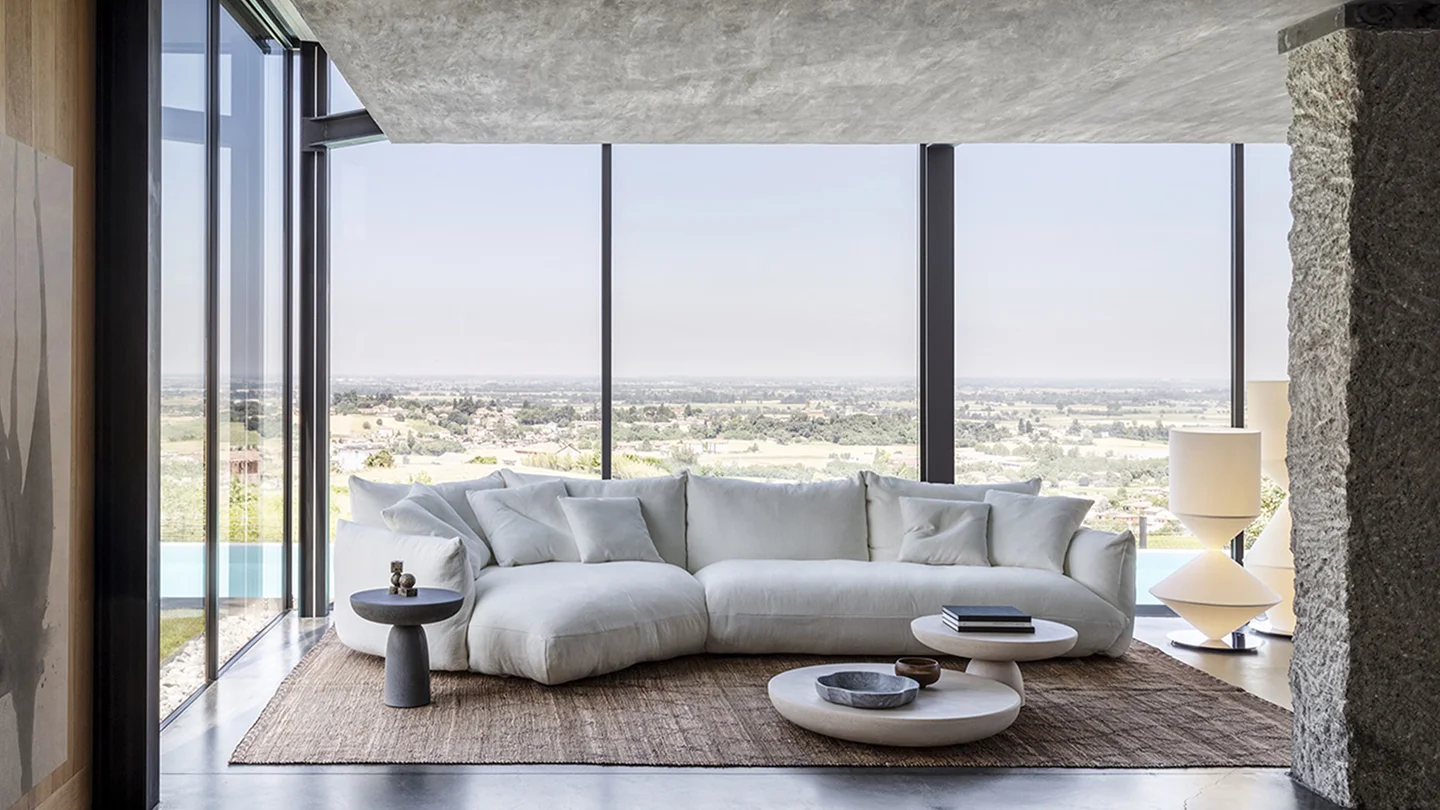
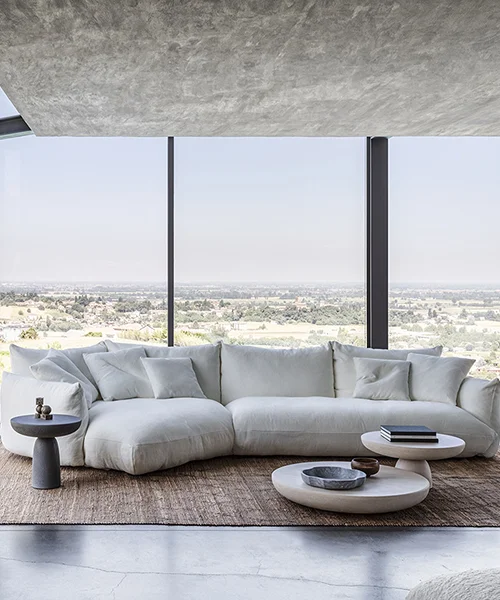
Height matters too. The ideal coffee table should be the same height as the cushions on your sofa or one to two inches lower. If it is higher, it looks awkward and becomes uncomfortable to use. If you have a large sectional sofa, consider a round or oval table to soften the angles and improve flow. You can explore our diverse range of coffee tables to find the perfect shape for your layout.

Coffee Table Styling

Because you look down at a coffee table, the styling needs to be considered from above. Coffee table styling is about creating a landscape. You want items that look good from all angles.

  • The Grid System: Divide the table into a grid. Use a stack of books in one quadrant, a tray in another, and a decorative bowl in the third.
  • Low Profile: Keep accessories relatively low. You never want a tall vase blocking the view of the person sitting across from you. It interrupts the conversation.
  • Texture: Mix materials. If you have a glass table, add a wooden bowl. If you have a wood table, add a marble coaster set.

For more on keeping this central space tidy and chic, read our guide on Minimalist Living Room Ideas for a Sleek, Clutter-Free Space.

The Console Table: The Slim Sentinel

If the coffee table is the hub, the console table is the frame. Console tables are tall, narrow, and designed to stand against a wall or behind a sofa. They are the chameleons of the furniture world. They don’t usually sit in the middle of the action; they define the edges of it.

Console Table Purpose

The console table purpose is largely decorative and transitional. In an entryway, it acts as a “landing strip” for your keys and mail. In a dining room, it serves as a buffet or bar. In a hallway, it breaks up a long, boring stretch of wall.

It is less about deep storage (though drawers are a bonus) and more about display. It provides a stage for lamps, art, and sculptures that might otherwise clutter your living surfaces. It introduces height to a room, drawing the eye upward.

Console Table Placement

Console table placement is incredibly versatile, but there are two main spots where it shines.

  1.  The Entryway: This is the classic spot. Placed against the wall near the door, it sets the tone for the entire home. It is the first thing guests see.
  2.  Behind the Sofa: If your sofa “floats” in the middle of the room (not against a wall), the back of it can look like a big, boring block of fabric. Placing a console table snugly against the back of the sofa finishes the look. It gives you a place to put reading lamps and decor without cluttering the coffee table.

If you use it behind a sofa, ensure the console is not taller than the sofa back. It should sit just below the rim of the cushions for a clean, integrated look. Check out our consoles for sleek designs that fit narrow spaces perfectly.

Console Table Styling

Unlike the coffee table, console table styling is all about height. You are looking at this piece from a standing position or from across the room.

  • Anchor with Light: A console is the perfect place for a statement table lamp (or a pair of them). This adds a warm pool of light that makes the room feel cozy. Read more about this technique in How Lighting Can Elevate Your Furniture and Room Ambiance.
  • The Backdrop: Lean a large mirror or piece of art against the wall behind the console. This connects the furniture to the wall and creates a focal point.
  • Underneath Matters: Since console tables have open legs, the space underneath is visible. Place a pair of ottomans or large woven baskets underneath to ground the piece and add hidden storage.

The Key Differences at a Glance

To simplify the console table vs coffee table debate, think of it in terms of dimension and interaction.

  • Height: Coffee tables are low (16-18 inches). Console tables are high (30-36 inches).
  • Depth: Coffee tables are deep and expansive. Console tables are shallow and narrow.
  • Interaction: You interact with a coffee table while sitting. You interact with a console table while standing or walking past.

This difference in interaction dictates the material choice too. Coffee tables need to be incredibly durable because people put their feet on them. Console tables can be more delicate, featuring intricate marquetry or fragile stone, as they see less physical wear.

Can You Swap Them?

Generally, no. You cannot use a coffee table as a console because it would be a tripping hazard in a hallway. You cannot use a console as a coffee table because it would block the TV and be impossible to reach from the sofa.

However, there is one exception. In a very small studio apartment, a low, narrow bench can sometimes act as a hybrid. It can serve as a coffee table during the day and be pushed against the wall to act as a low console when you need floor space for yoga or a party.

Styling Harmony: Making Them Work Together

In a living room, you will often have both. The secret to making them work together is coordination, not matching. You don’t need to buy a “set” where the coffee table and console table are identical. That can look a bit dated.

Instead, link them through materials or shape.

  • If you have a round marble coffee table, try a rectangular console with a marble top.
  • If you have a rustic wooden coffee table, a sleek black metal console can add a modern edge.
  • If your coffee table is very heavy and blocky, choose a console with thin legs to keep the room feeling airy.

The Mirror Effect

One of the best ways to style a console table is to pair it with a mirror. This reflects the living area (and your beautiful coffee table styling) back into the room, creating a sense of depth. It doubles the visual impact of your decor choices. Learn why this works in Mirrors in Decor: Visual and Practical Benefits Explained.

Recap

While they are both tables, the console table vs coffee table distinction is vital for a functional home. The coffee table is your low-slung hero of hospitality, anchoring the center of the room. The console table is your tall, elegant perimeter piece, defining the edges and offering display space. By respecting the unique placement and purpose of each, you ensure your home flows logically. You create zones for living and zones for admiring. And when you get the styling right, mixing height on the console with texture on the coffee table, your home transcends functionality and becomes truly stylish.

Ready to transform your space with style? Let’s find the perfect tables to anchor and elevate your living room today.

0 Comments

Submit a Comment