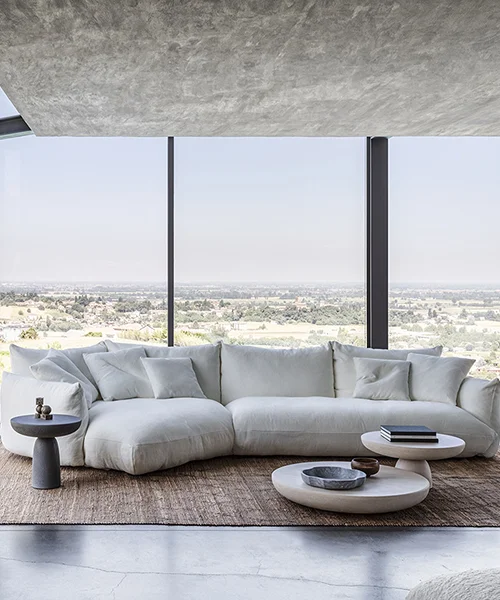
Alt Text: "Luxury teak wood outdoor sofa and armchair set with neutral cushions on a sunlit modern patio by Ventura Interiors

How to Choose Furniture for Open Kitchen Layouts

Jan 21, 2026 | 0 comments

The days of the cook being hidden away in a closed room are long gone. Today, the kitchen is the heart of the home. It is where we debrief after a long day, where the kids do their homework, and where guests naturally congregate during parties. But tearing down the walls brings a new challenge. How do you furnish a space that needs to be a hardworking culinary zone and a relaxing living area all at once?

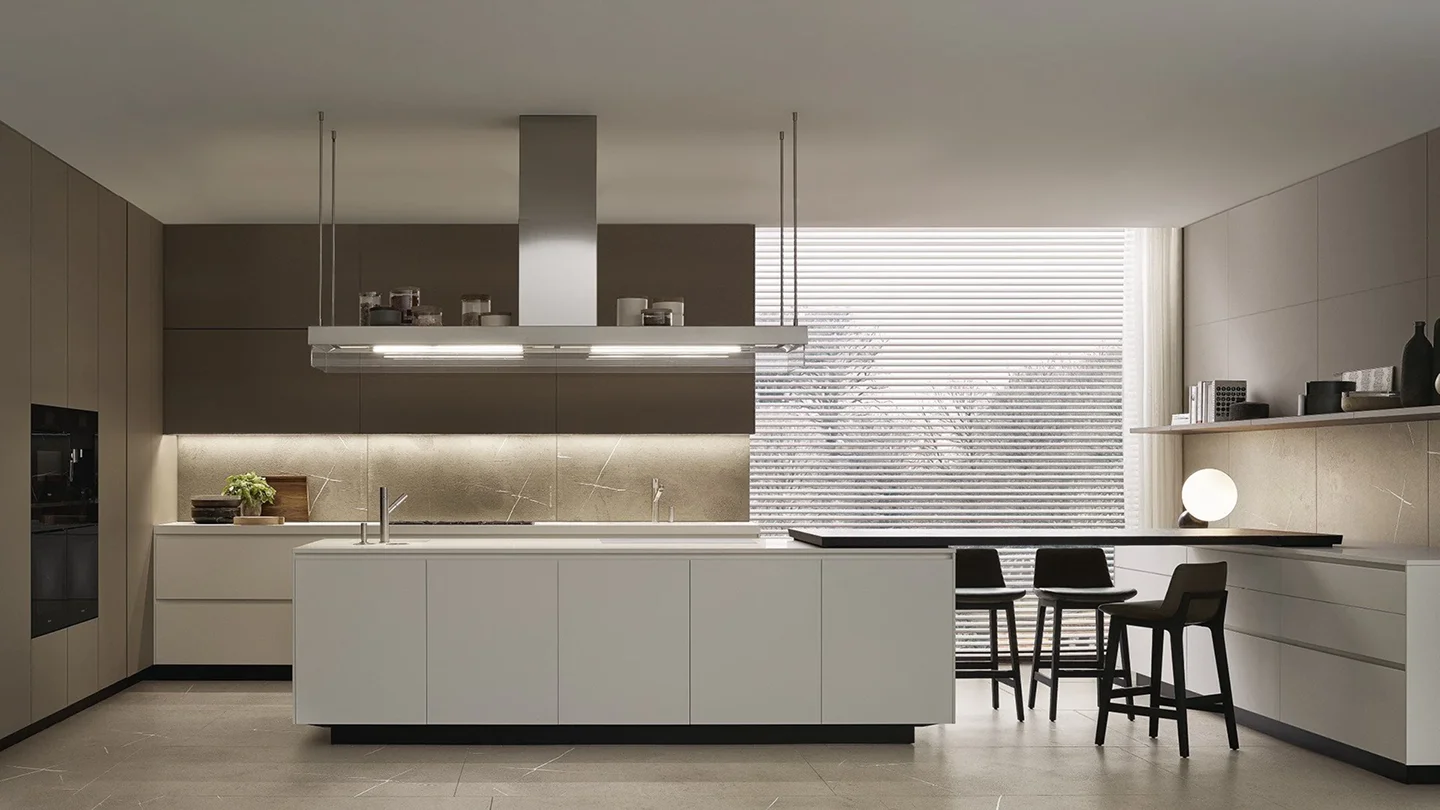
Designing for Open Kitchen Layouts requires a different mindset. You cannot just pick pieces that look good in isolation. You have to consider how the bar stool looks next to the sofa, and how the dining table transitions into the cooking zone. It is a balancing act between function and flow. Let’s break down exactly how to select furniture that brings harmony to your open-concept home.

Creating a Cohesive Visual Flow

The biggest mistake people make is treating the kitchen and the living room as two separate planets. In an open plan, they need to speak the same language. If your living room is soft, beige, and modern, a rustic farmhouse kitchen table might stick out like a sore thumb. You want the eye to travel smoothly from one end of the room to the other.

This doesn’t mean everything has to match perfectly. In fact, it shouldn’t. But there should be a common thread. Maybe the wood tone of your kitchen cabinets is repeated in the legs of your armchair. Or perhaps the metal finish on your pendant lights matches the handles on your sideboard. These subtle links create a sense of unity. For more strategies on making this work, read our guide on Best Furniture Tips for Stylish Open-Concept Living.

Color Consistency

Stick to a consistent color palette. If your kitchen cabinets are a bold blue, consider using blue accent cushions on your sofa or a blue rug in the dining area. This repetition helps the brain register the entire open space as one large, designed environment rather than disjointed parts.

Style Bridging

Your furniture choices act as a bridge. A sideboard placed between the kitchen and living area can serve both zones. It can hold table linens on one side and board games on the other. This dual-purpose utility is the hallmark of successful open kitchen furniture design.

The Bar Stool: The Ultimate connector

In most Open Kitchen Layouts, the island or breakfast counter is the focal point. This makes the bar stool one of the most important pieces of furniture you will buy. It is the literal connection between the chef and the guest. But choosing the right one is tricky. You need to get the height, the style, and the comfort level just right.

First, measure your counter height. Standard counters need a seat height of about 24 to 26 inches. If you have a raised bar, you will need a stool that is 28 to 30 inches high. Nothing ruins the vibe faster than sitting too low to reach your coffee or too high so your knees hit the granite.

Comfort vs. Profile

Think about how long you will sit there. If this is where you eat dinner every night, choose a stool with a backrest and footrest. If it is just for a quick morning tea, a backless stool might be fine. Backless stools also have the advantage of sliding completely under the counter, keeping the visual lines clean.

Material Durability

Since these stools are near the cooking zone, wipeable materials are a smart choice. Leather or high-quality faux leather is easier to clean than a delicate fabric. Check out our bar counter options to find seating that stands up to spills while looking sophisticated.

Defining the Dining Zone

The dining table often floats in the middle of an open plan. It acts as a buffer zone between the high-energy kitchen and the relaxed living room. Because there are no walls to anchor it, the shape of the table becomes crucial for traffic flow.

In many Open Kitchen Layouts, a round or oval table works wonders. The curved edges allow for better movement around the table. You don’t have to worry about bumping your hip on a sharp corner as you carry hot dishes from the stove.

Rugs as Anchors

Without walls, how do you define the dining “room”? Use a rug. A large area rug under the dining table visually groups the furniture together. It tells the eye, “This is a separate zone.” Just ensure the rug is large enough that the chairs stay on it even when pulled out.

Scale and Proportion

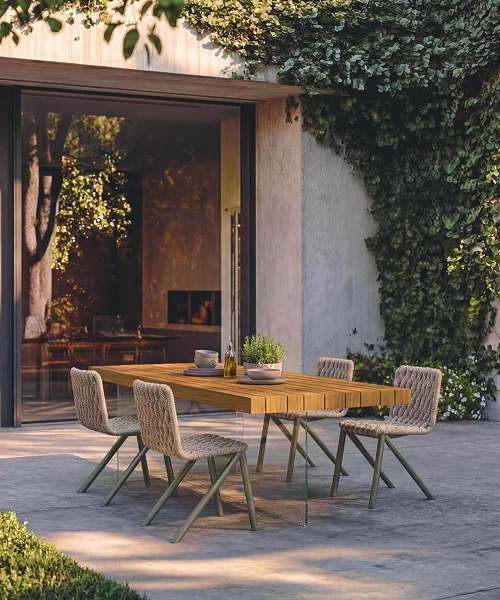
Be mindful of scale. A massive, heavy table can overwhelm an open space, blocking the view from the kitchen to the TV. Consider glass-topped tables or pieces with slender legs to keep the sightlines open and airy. Browse our collection of dining tables to find a piece that balances weight and elegance.

Selecting Durable Materials

Let’s be real. Kitchens are messy. Grease travels. Steam rises. Even with a powerful chimney, your furniture for kitchen proximity will be exposed to more wear and tear than the furniture in a closed bedroom. The fabrics and finishes you choose need to be robust.

Avoid porous surfaces or delicate silks near the cooking area. For your dining chairs and bar stools, look for performance fabrics that resist stains and odors. You want materials that can handle the occasional splash of dal or a dropped glass of wine without being ruined forever.

Wood and Metal

Wood is warm and inviting, but ensure it is sealed properly to withstand humidity changes. Metal and glass are excellent for open kitchen furniture because they are non-porous and easy to wipe down. They also reflect light, which can help brighten up the space.

Upholstery Choices

If you love the look of upholstered dining chairs, opt for darker colors or patterned fabrics that hide minor stains. Slipcovers are also a fantastic option as they can be removed and washed. You can learn more about selecting the right material in our Upholstery Fabric Guide: Choose the Best for Your Furniture.

Managing Noise and Acoustics

One downside of tearing down walls is the noise. The sound of the blender or the clattering of pots can easily drown out the TV in the living room. Your furniture choices can actually help dampen this sound.

Hard surfaces bounce sound around. Soft surfaces absorb it. To counter the hard cabinets and countertops, introduce plenty of soft textures in the adjacent living areas. Plush sofas, heavy curtains, and thick rugs help soak up the noise.

Upholstered Furniture

Choosing fully upholstered dining chairs instead of wood or plastic ones can make a surprising difference in acoustics. They absorb sound rather than reflecting it. It is a subtle detail of open kitchen furniture design that greatly impacts comfort.

Wall Decor

Don’t forget the walls. Canvas art, tapestries, or even acoustic wall panels can help control the noise levels in a large, open room. It makes the space feel more intimate and less like a cafeteria.

Lighting as a Design Element

Lighting does more than just help you see your chopping board. In an open layout, it defines the zones. You need a mix of task lighting for the kitchen and ambient lighting for the dining and living areas. The fixtures you choose for the kitchen should complement the chandeliers or lamps in the living room.

Pendant lights over the kitchen island are a great opportunity to add a decorative touch. They draw the eye down and create a visual barrier that separates the kitchen from the rest of the room without blocking the view.

Dimmers are Essential

Install dimmer switches on all your kitchen lights. When you are done cooking and move to the sofa to watch a movie, you don’t want the kitchen blazing like a hospital operating theatre. Dimming the lights helps the kitchen “disappear” into the background, allowing the living area to take center stage. For more on this, check out How Lighting Can Elevate Your Furniture and Room Ambiance.

Maintaining Order with Storage

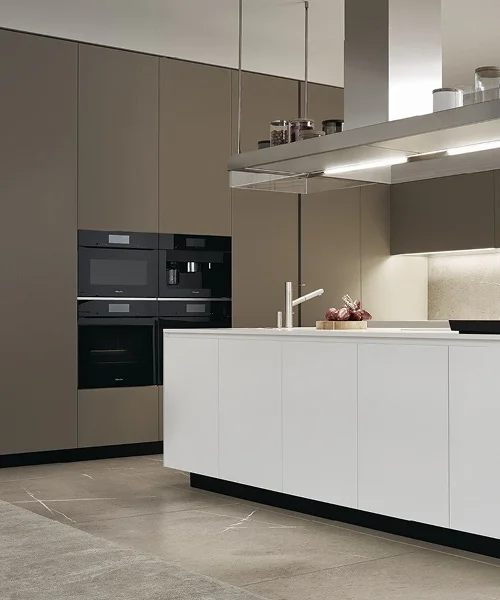
In a closed kitchen, you can close the door on the mess. In an open kitchen, everything is on display. Clutter on the counters makes the whole house look messy. This is where smart kitchen layout and storage furniture come in.

Invest in furniture that hides the clutter. A sideboard with solid doors is better than open shelving for an open plan. Use baskets and trays to corral small items. If your kitchen island has open shelves, use them for decorative items like cookbooks or pretty bowls, not for cereal boxes.

Hidden Stations

Consider a breakfast station or a coffee bar that can be closed off behind cabinet doors. This keeps the toaster and coffee machine easily accessible but out of sight when not in use. It maintains the sleek look of your Open Kitchen Layouts.

Multipurpose Pieces

Ottomans with storage or coffee tables with drawers are your best friends. They give you a place to quickly stash toys, magazines, or work files when guests arrive, keeping the open area serene and welcoming.

Recap

Furnishing an open kitchen is about finding the sweet spot between connection and separation. You want the spaces to feel united but distinct. By choosing a cohesive color palette, prioritizing durable materials, and using lighting and rugs to define zones, you can create a home that flows beautifully. It is about creating a space where the cook is part of the conversation, and the design feels effortless.

Ready to transform your space with style? Let’s curate the perfect furniture collection for your open home today.

0 Comments

Submit a Comment