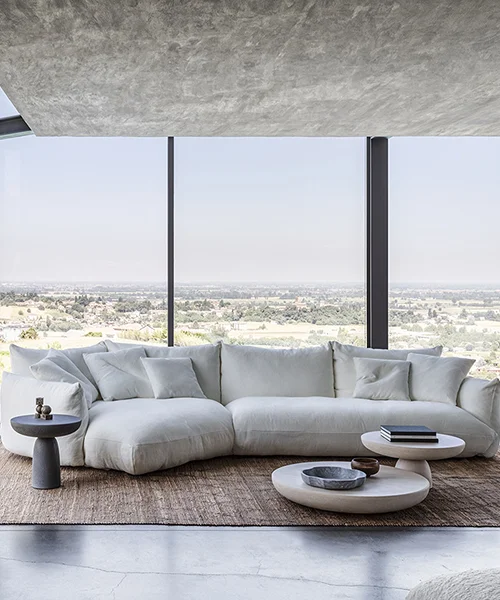
Modern Italian armchair with plush upholstery paired with a sleek side table in a contemporary living space

Curved Furniture Trends: Sofas, Chairs & Tables Explained

Jan 21, 2026 | 0 comments

Does your living room feel a little too rigid or boxy? We often fill our homes with squares and rectangles because they are easy to arrange. But sometimes, a space needs to breathe. It needs a gentle flow that guides you from one corner to another without bumping into sharp edges. This is exactly where the resurgence of curves comes in. It is not just about a fleeting style moment. It is about rethinking how a room feels.

Adding softer lines can change the energy of your home entirely. It makes spaces feel more welcoming and less formal. You do not have to replace everything you own to make this work. A single statement piece can soften a room full of straight lines. Let’s explore how you can bring this fluid aesthetic into your Indian home with practical steps and stylish choices.

Why Is Curved Furniture Trending Right Now?

We are seeing a major shift towards comfort and organic shapes in interior design. After years of strict minimalism and sharp industrial lines, we are collectively craving softer environments. Curved furniture mirrors the natural world. It mimics the rolling shapes of nature rather than the harsh angles of modern architecture. This trend is about creating a sanctuary that feels safe and nurturing.

There is also a practical side to this popularity. As our homes become multipurpose spaces for work and relaxation, we need furniture that allows for better movement. Curves improve traffic flow in tighter spaces. They remove the danger of sharp corners, which is a huge bonus for families with active kids or pets. It is the perfect blend of form and function.

Visual Softness and Comfort

The primary appeal is visual softness. A room dominated by straight lines can feel static or severe. Introducing a curve breaks that monotony. It draws the eye gently across the room rather than stopping it abruptly at a corner. This creates a relaxed atmosphere where you naturally want to unwind.

Biophilic Connection

This trend is closely linked to biophilic design, which seeks to connect our indoor environments with nature. Just as you rarely see a perfectly straight line in a forest, organic furniture shapes remind us of the outdoors. You can learn more about this connection in our guide on Biophilic Design: Benefits of Natural Elements in Furniture. It is a simple way to bring a sense of calm into a busy urban apartment.

The Centerpiece: Mastering Curved Sofa Design

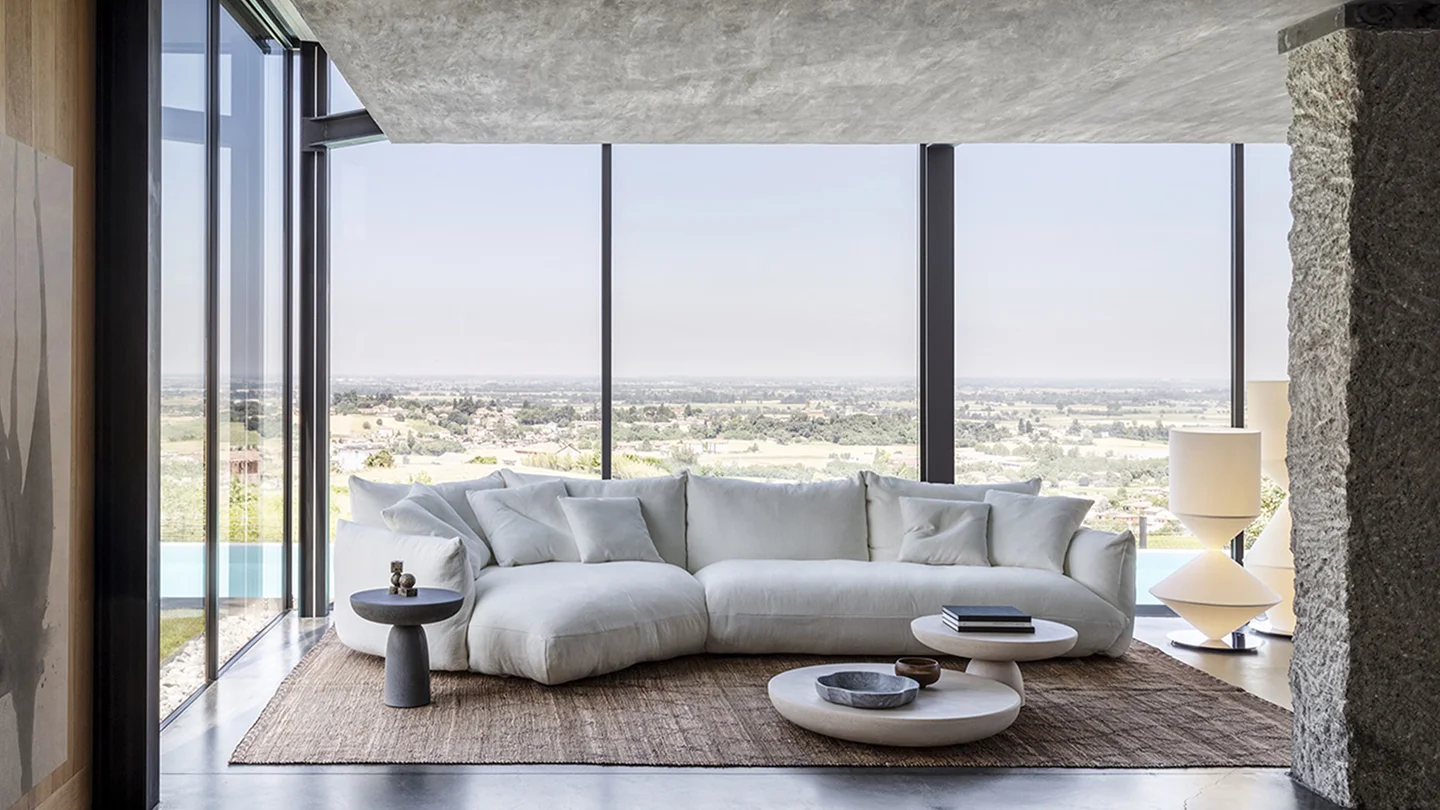
The sofa is often the largest piece of furniture in your living room, so its shape dictates the room’s vibe. A standard rectangular sofa pushes everything against the walls. A curved sofa design, however, pulls people into the center. It encourages conversation. It changes the focal point from the TV wall to the people sitting with you.

These sofas work exceptionally well in open-plan Indian homes. If your living and dining areas are combined, the back of a curved sofa creates a beautiful, soft partition. It divides the space without building a wall. It looks finished and intentional from every angle, which is crucial when the furniture “floats” in the middle of a room.

Styling Curved Sofas

Styling curved sofas requires a slight shift in thinking. You cannot just shove them into a corner. They need a bit of breathing room to show off their silhouette. Try floating the sofa off the wall and anchoring it with a round rug. This creates a cozy island of comfort.

If you are worried about losing seating space, don’t be. Many curved designs are surprisingly spacious. They often wrap around, allowing more people to sit comfortably without that awkward stiff-neck feeling you get on a straight couch. You can explore our range of sofas to find a piece that balances this softness with deep comfort.

Sculptural Seating: The Appeal of Curved Chairs

If a curved sofa feels like too big of a commitment, start smaller. Curved chairs are the perfect entry point into this trend. A barrel chair or a rounded swivel armchair acts as a sculptural element. It is like adding a piece of art that you can also sit on. These chairs are incredibly versatile and can fit into awkward nooks that square chairs simply cannot.

In a bedroom or a reading corner, a curved armchair creates a cocooning effect. The backrest wraps around you, offering a literal embrace. This physical sensation of being held adds to the psychological comfort of the room. It transforms a bare corner into your favorite retreat.

Mixing and Matching

You do not need to match a curved chair with a curved sofa. In fact, contrast is better. Pair a pair of rounded accent chairs with a linear sofa to break up the geometry. This mix keeps the room from looking like a spaceship and grounds the design in reality. It is all about balance.

Fabric Choices

Curves love texture. Smooth fabrics like velvet or bouclé wool accentuate the roundness of the chair. Light catches the curves differently on textured fabrics, highlighting the shape. Avoid stiff, heavy leathers that might wrinkle awkwardly around tight bends. Soft, pliable fabrics are your best friend here.

Improving Flow with Curved Tables

Tables are often the biggest culprits when it comes to sharp, shin-banging corners. Curved tables, whether dining or coffee tables, solve this instantly. A round or oval dining table is a game-changer for smaller Indian dining rooms. It eliminates the “head of the table” hierarchy and makes meals feel more communal and intimate.

In the living room, a round coffee table improves circulation. You can walk around it easily without clipping your hip on a sharp edge. This is especially helpful in compact apartments where pathways are narrow. The curve guides your movement smoothly through the space.

Coffee Table Styling

A round coffee table softens the look of a standard L-shaped sectional. It fills the negative space perfectly. When styling the surface, group your decor items in threes. Use a round tray to echo the table’s shape, but add rectangular books for contrast.

Dining Room Dynamics

Oval dining tables offer the best of both worlds. You get the length of a rectangular table for serving dishes, but with rounded ends that allow for extra seating in a pinch. No one gets stuck straddling a table leg. Check out our collection of dining tables to see how organic shapes can upgrade your mealtime experience.

The Warmth of Curved Wooden Furniture

While we often think of upholstery when discussing curves, wood plays a huge role too. Curved wooden furniture brings a sense of craftsmanship and luxury. Bending wood requires skill and precision. A sideboard with rounded edges or a chair with a bentwood back adds a layer of sophistication that flat-pack furniture just cannot match.

Wood adds warmth and texture that balances the fluid shapes. A curved wooden console table in your entryway sets a gentle tone the moment you walk in the door. It signals that your home is a place of ease. The grain of the wood follows the curve, emphasizing the natural beauty of the material.

Timeless Appeal

Unlike trendy plastic shapes, wood is timeless. A curved wooden piece feels like an heirloom. It blends seamlessly with both traditional Indian decor and modern minimalism. You can see how this works in our post on Minimalist Living Room Ideas for a Sleek, Clutter-Free Space, where simple forms let the materials shine.

Modern Curved Furniture in Indian Homes

Integrating modern curved furniture into an Indian home is easier than you think. Our homes often feature arches, pillars, or traditional jhoolas, which already have organic lines. Curved modern pieces complement these traditional elements beautifully. It creates a bridge between the old and the new.

You don’t need a massive bungalow to make this work. In a standard apartment, curved furniture saves visual space. Because there are no sharp corners pointing out, the room feels airier. It tricks the eye into seeing more floor space.

Space Optimization

Use curves to define zones. A curved rug or a semicircular console can separate the entryway from the living area. It directs traffic flow intuitively. You are not blocking people with a wall; you are guiding them with a shape.

Small Scale Curves

If you are tight on space, look for small details. A mirror with an arched top, a round pouf, or a lamp with a globe shade. These small touches of curved furniture design accumulate to soften the overall look without overcrowding your floor plan.

The Psychology of Shapes in Design

Why do we love curves so much? It comes down to psychology. Our brains process sharp angles as potential threats. We instinctively are more cautious around sharp objects. Curves, on the other hand, signal safety. They relax our nervous system. This is why curved furniture makes a room feel instantly more comfortable.

This “soft fascination” reduces stress. When your eyes can follow a continuous line, your brain does less work. It is a subtle difference, but you will feel it after a long day at work. Your home becomes a place where you can truly let your guard down.

Social Connection

Circular arrangements foster connection. Think of a campfire or a round table meeting. Everyone faces everyone else. A curved seating arrangement naturally turns people towards each other. It removes barriers to communication. If you love hosting friends and family, curves are your secret weapon for better parties.

Mixing Straight and Curved Lines

The secret to a designer-look home is contrast. You do not want a room full of circles any more than you want a room full of squares. The magic happens in the mix. Use curved furniture to soften the architectural rigidness of your room.

If you have a very square room with rectangular windows, add a round coffee table and an arched floor lamp. If you have a soft, curved sofa, pair it with a sleek, linear side table or a geometric rug. This interplay creates tension and interest.

The 70/30 Rule

A good rule of thumb is the 70/30 split. Keep 70% of your lines straight (walls, shelves, rugs) and introduce curves in the remaining 30% (accent chairs, lamps, mirrors). This keeps the space feeling grounded but welcoming. For more tips on balancing different styles, read our guide on How to Mix Antique and Modern Furniture for a Timeless Look.

Maintenance Tips for Curved Pieces

Maintaining curved pieces is slightly different from standard furniture. Dust tends to settle on the top curves of sofas and chairs. You need to vacuum these areas gently with a soft brush attachment to prevent dust lines from forming on the fabric.

For curved wooden furniture, be mindful of sunlight. The curve can catch the light differently, leading to uneven fading if one side is constantly exposed to harsh afternoon sun. Rotate your pieces occasionally if possible.

Upholstery Care

Curved upholstery often has more tension in the fabric to keep that smooth shape. Avoid sitting on the arms or back of curved sofas, as this can warp the frame or wrinkle the fabric permanently. Regular fluffing of cushions helps maintain that voluptuous, rounded look that makes these pieces so inviting.

Recap

Embracing curves is about more than just following a trend. It is about creating a home that feels good to live in. Whether you choose a bold curved sofa or a simple round table, these shapes add flow, safety, and a touch of nature to your interiors. They soften the hard edges of modern life and invite you to relax. Your home should be your sanctuary, and sometimes, the best way to achieve that is to simply round off the edges.

Ready to transform your space with style? Let’s find the perfect soft touches for your home today.

0 Comments

Submit a Comment