Your dining table is more than furniture. It’s where memories happen, conversations flow, and your family gathers. But choosing between a round and a rectangular dining table affects not just aesthetics but how your space actually functions.
Let’s explore which shape truly suits your layout and lifestyle.
Understanding the Fundamental Differences
Round dining tables create intimate, inclusive seating where everyone feels equally positioned. There’s no head or foot of the table, making them perfect for democratic dinners. They encourage conversation across the entire table rather than down its length.
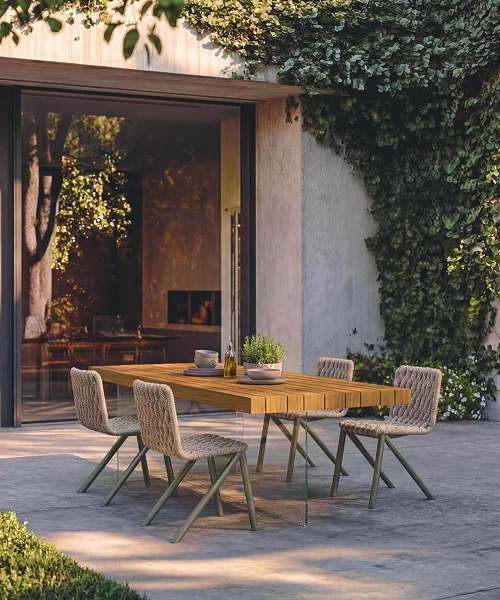
Rectangular dining tables command authority through their linear shape. They define a space clearly, accommodate more guests proportionally, and feel more formal. Their elongated form suits long dining rooms and traditional entertaining aesthetics beautifully.
Visual Impact on Your Space
Round tables soften room geometry. They work wonderfully in square or irregularly shaped rooms, creating visual flow and reducing sharp corners. The continuous curves make spaces feel more welcoming and less structured.
Rectangular tables emphasize room dimensions. They highlight the length of a dining room, making space feel more purposeful and organized. In narrow dining areas, they align naturally with the room’s architecture.
Round vs Rectangular Dining Table: Space Considerations
This decision ultimately hinges on your available space. Round tables need clearance all around for chairs to pull out comfortably. A 48-inch round table requires approximately 10×10 feet of usable space. Anything less feels cramped.
Rectangular tables fit more efficiently along walls. An 36×60-inch table works in a space where an equivalent round table wouldn’t fit. This efficiency matters enormously in apartments and smaller homes where every square foot counts.
Measuring Your Dining Area
Calculate your dining space precisely before shopping. Measure from wall to wall, then subtract three feet on all sides for comfortable chair pull-out and movement. That’s your maximum table size. Undersizing beats oversizing every time.
Round tables need width equal to their diameter plus three feet minimum on all sides. Rectangular tables need their length plus three feet at the head, width plus three feet on sides, and depth plus three feet. This difference significantly impacts which option works in tight layouts.
Seating Capacity: Getting More From Your Space
For seating efficiency, rectangular tables win decisively. A 36×60-inch rectangular table seats six to eight comfortably. An equivalent round table seats only four to six. If you entertain frequently or have larger families, this difference matters significantly.
However, round tables maximize intimate gatherings. A 48-inch round seats six with more elbow room than six people squeezed around a rectangular table. The comfort of being less crowded might outweigh having fewer seats total.
Space-Saving Dining Table Solutions
Extendable rectangular tables offer flexibility that round options can’t match. You seat four daily, expand to eight for entertaining, then return to compact mode. This adaptability solves the space versus hosting dilemma elegantly.
Extendable round tables exist but are less common and often look awkward when extended. If flexibility appeals to you, rectangular tables offer superior options.
Which Dining Table Is Best: Style and Aesthetic Considerations
Your design aesthetic influences which shape works better for your overall vision. Round tables feel more casual, friendly, and bohemian. They suit eclectic, maximalist, or relaxed decorating styles naturally.
Rectangular tables project formality, elegance, and structure. They align beautifully with minimalist or contemporary aesthetics. Traditional and formal entertaining styles almost demand rectangular tables.
Material and Design Expression
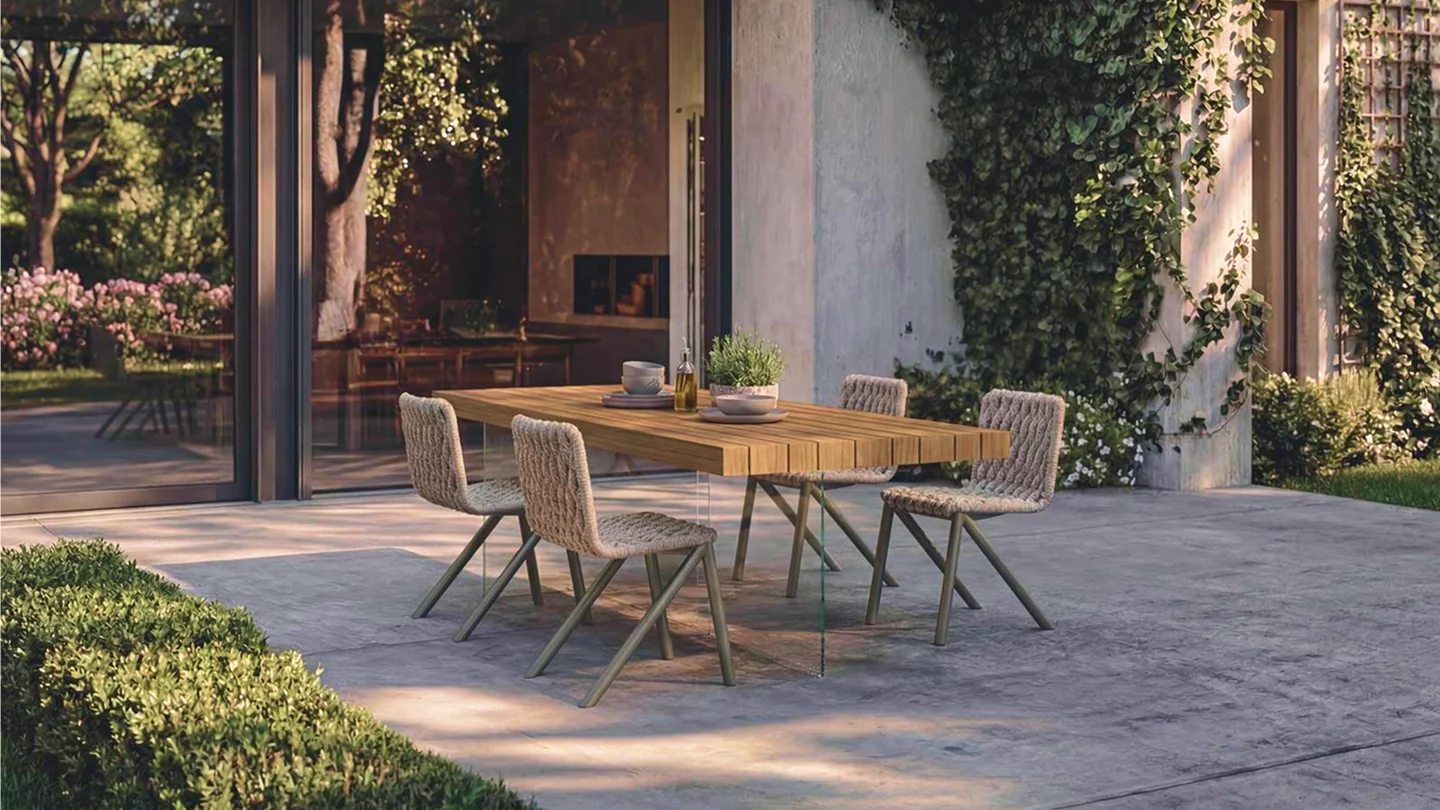
Both shapes work with any material. Solid wood, marble, glass, or metal tops suit either configuration. However, materials highlight shapes differently. A marble round table emphasizes its geometry as sculptural art. A glass rectangular table feels lighter and more contemporary.
Consider how the table becomes part of your overall design story. Does it support the personality you’re creating, or work against your aesthetic goals?
How to Choose a Dining Table: Functional Factors
Start with how you actually use your dining space. Families with young children benefit from round tables. No sharp corners means safer play spaces and easier navigation around the table during chaotic mealtimes.
If you work from home and use your dining table for overflow desk space, rectangular offers better surfaces for laptops and papers. The defined length provides organized zones for different activities. Round tables force everything into circles, which works less efficiently for functional work.
Entertaining and Social Patterns
How often do you entertain? Large gatherings need rectangular tables that accommodate expansions. Regular dinner parties for six favor round tables where everyone interacts comfortably without sections of the table feeling distant.
Solo dinners and everyday use change the calculus. A round table feels cozier for two people. A rectangular table might feel lonely or require place-setting discipline to look intentional.
Dining Table Size: Getting Proportions Right
Standard dining table heights are 30 inches, allowing comfortable clearance for legs and laps. Width matters too. Tables narrower than 36 inches force uncomfortable plate access from sides. Wider tables, particularly rectangles over 42 inches, require reaching across for center items.
Length recommendations are 36 inches minimum for two people, 48 for three, 60 for four to six, and 72+ for six to eight. Round diameter equivalents are 36 inches for two, 42 for three, 48 for four to six, and 60+ for six to eight.
Proportion to Your Space
Your table shouldn’t dominate your dining room but shouldn’t look lost either. Aim for your table to consume about 60-70% of your dining space. Oversized tables make rooms feel cramped and navigating around them becomes frustrating. Undersized tables appear insignificant and disconnected from the space.
Consider how the table relates to lighting above and furniture around it. A chandelier should hang 30-36 inches above the table surface, centered over round tables and positioned over the table’s center third for rectangles.
Space-Saving Dining Table Solutions for Small Homes
Round drop-leaf tables expand when needed and collapse to half-moon shapes against walls. This hybrid approach offers flexibility in minimal square footage. They work beautifully for apartments where entertaining happens occasionally rather than constantly.
Rectangular tables with extension leaves solve space constraints elegantly. Daily use operates in compact mode, entertaining mode handles larger gatherings. Modern modular furniture sometimes includes dining solutions that reconfigure for different needs.
Wall-Mounted and Convertible Options
For extreme space constraints, wall-mounted tables fold down when needed and disappear when not in use. Though unconventional for dining, they solve genuine space challenges in studios or micro-apartments.
Console tables that expand into dining surfaces offer another creative solution. They function as entryway surfaces or buffets daily, transforming into dining tables for entertaining. This dual-function approach maximizes limited square footage.
Mixing Shapes: Combining Different Dining Configurations
Some homes work best with multiple dining surfaces. A small round table in the kitchen for everyday meals, a larger rectangular table in the dining room for entertaining. This separation lets each table excel at its intended purpose.
Alternatively, pair your main table with a console or sideboard nearby. This creates flexible entertaining zones and functional surface area without one oversized table dominating your space.
Creating Flexible Dining Zones
Open-concept homes benefit from multiple seating areas. A round table in one zone, rectangular counter seating in another. Different areas serve different purposes without redundancy or awkwardness.
This approach works particularly well in open-concept living, where zoning creates definition and functionality in undivided spaces.
Quality Craftsmanship: Material and Construction Matters
Solid wood dining tables age beautifully regardless of shape. Look for tables with proper wood movement allowances, strong joinery, and finishes that can be refreshed. Both round and rectangular solid wood tables represent long-term investments.
Marble tops add luxury but require careful maintenance. Round marble tables show watermarks and staining equally anywhere. Rectangular marble benefits from protective placement of placemats and coasters that hide imperfections more effectively in linear arrangements.
Shape-Specific Durability Notes
Round tables experience consistent wear around their entire circumference. Rectangular tables show more concentrated wear at ends and the center where serving happens. Understand where stress points occur in each shape for your specific use pattern.
Quality craftsmanship ensures both shapes withstand years of use beautifully. Choose based on aesthetic preference after confirming solid construction.
Styling Your Table: Centerpieces and Decoration
Round tables look stunning with central arrangements that radiate outward. A beautiful bowl, plant, or chandelier above emphasizes the circular geometry. Placemats and runners work differently, typically arranged in rings rather than lines.
Rectangular tables shine with linear arrangements. A long runner down the center, candles in progression, or flowers positioned at intervals emphasize the table’s natural form. This linear presentation feels more intentional and organized.
Personal Expression Through Tablescapes
Your dining table becomes a design canvas. Round tables encourage organic, gathered aesthetic arrangements. Rectangular tables support structured, intentional presentations. Choose the shape that aligns with how you like to create tablescape displays.
Seasonal decorating differs between shapes too. Round tables naturally showcase seasonal arrangements. Rectangular tables support themed displays along their length. Both work beautifully when style matches table shape.
Making Your Final Decision
Start with your space measurement and available square footage. If space is tight, rectangular works harder. If you have breathing room, round creates a warmer atmosphere. Next, consider your entertaining patterns. Frequent large gatherings suggest rectangular’s efficiency. Intimate dinners suit round’s inclusivity.
Finally, trust your aesthetic instincts. The table you’re excited to look at and sit around daily is the right choice, measurements and logic notwithstanding. Your personal connection to your dining table matters more than optimal functionality.
Choosing between round and rectangular dining tables means balancing space efficiency, entertaining needs, and personal style. Both shapes excel in different contexts. The right choice aligns with your actual layout, how you use your dining space, and the aesthetic you’re creating.
Ready to find your perfect dining table? Let’s discover the shape and style that brings your dining space to life.

0 Comments